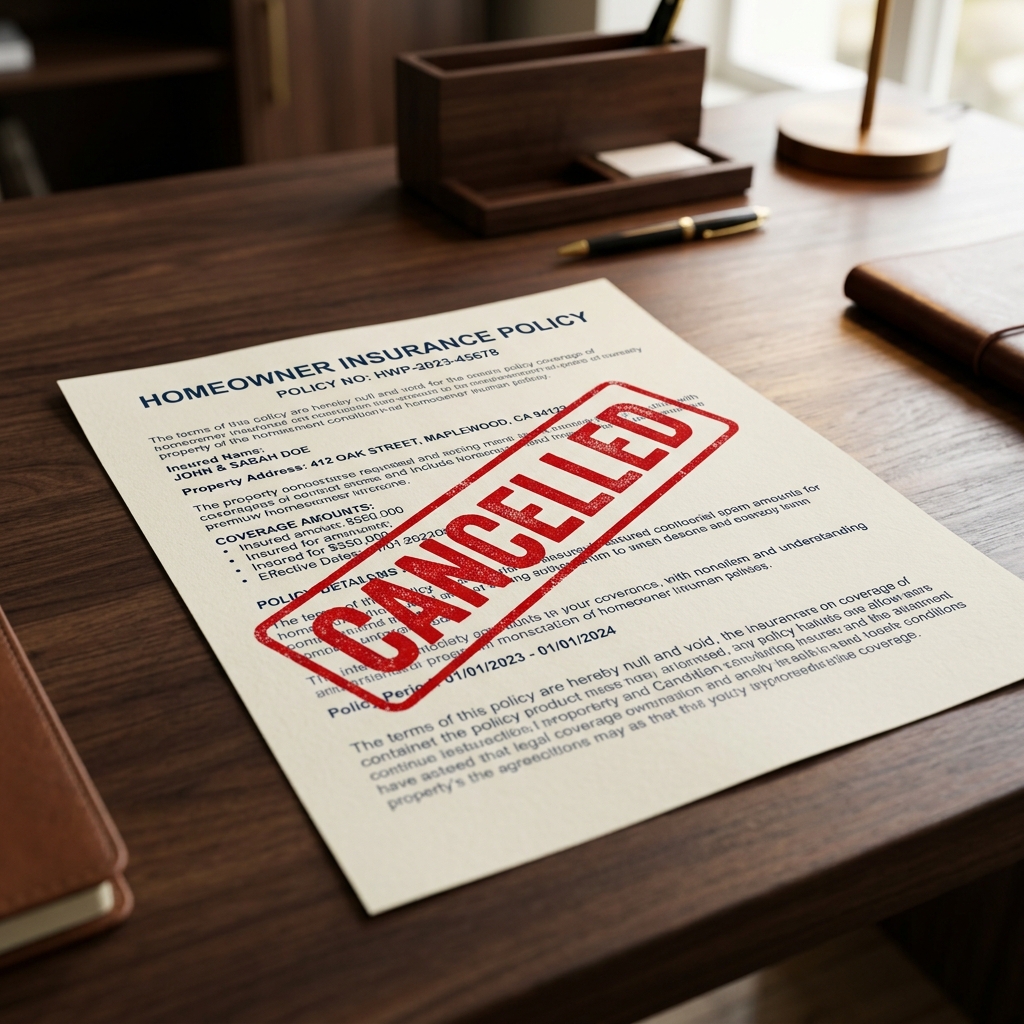
Homeowners across Los Angeles County are receiving sudden, stress-inducing letters: “Notice of Non-Renewal.” In California’s volatile insurance market, major carriers like State Farm, Allstate, Farmers, and the California FAIR Plan are actively auditing properties to reduce fire risk exposure.
At the very top of their inspection check-lists are two major electrical systems: outdated electrical panels and knob-and-tube wiring.
If your carrier has flagged these items, you typically have a strict 30-to-60 day window to address them before your policy is cancelled. Here is a detailed look at why these systems trigger immediate non-renewals, and how we help homeowners keep their coverage active.
The Audited Hazards: Why Legacy Panels Are Red-Flagged
Many homes in Whittier, Pasadena, and Los Angeles built between 1950 and 1980 were equipped with panels manufactured by Zinsco or Federal Pacific Electric (FPE). At the time, they were industry standard. Today, they are considered active fire hazards by electrical engineers and insurance risk managers alike.
Zinsco Panels
Zinsco panels feature bus bars made of aluminum that are highly susceptible to corrosion. Over time, the connection between the circuit breaker and the bus bar degrades, creating electrical arcing. This arcing generates temperatures exceeding 1,000°F, melting the breaker casing and the bus bar without ever tripping the breaker.
Federal Pacific (FPE) Stab-Lok Panels
FPE Stab-Lok breakers have a documented history of failing to trip during short circuits or electrical overloads. In independent testing, FPE breakers failed to trip up to 60% of the time when overloaded. When a breaker fails to trip, the copper house wires overheat, melting their insulation and sparking attic or wall fires.
Because the failure rates of these panels are so well-documented, insurance companies will not write new policies or renew existing ones for homes containing them. The only resolution is a complete electrical panel upgrade to modern, safe, code-compliant equipment.
Knob-and-Tube Wiring: An Uninsurable Legacy
If your home was constructed before 1950, it likely features knob-and-tube (K&T) wiring. This wiring uses porcelain knobs to run single-conductor copper wires through wood framing, insulated by cotton cloth sleeves.
While an undisturbed K&T system can function, it presents three fatal flaws for insurance inspectors:
- No Ground Wire: K&T systems are two-wire circuits with no grounding path. This increases the risk of shock and damage to sensitive electronics.
- Degraded Fabric Insulation: The cloth sleeve insulation dries out and crumbles over time, exposing bare copper wires inside walls.
- Modification Overloads: K&T circuits were designed for 15-amp loads to run a few lights. Modern household demands (refrigerators, microwaves, computers, and EV chargers) routinely overload these lines.
Insurers will almost universally refuse to cover homes with active knob-and-tube wiring. If it is detected during a sale or compliance audit, a full remediation and upgrade is required. Our team provides specialized K&T removal and home rewiring as part of our service calls and electrical repairs.
Other Insurance Audit Pitfalls
While panels and wiring are the costliest red flags, inspectors also look for simpler hazards:
- Unsecured Water Heaters: Under California earthquake safety standards, gas water heaters must be double-strapped to wall studs to prevent tipping, line ruptures, and fires.
- Missing Smoke & Carbon Monoxide Detectors: Alarms must be hardwired and interconnected in bedrooms and hallways.
- Wildfire Ember Intrusions: Open eaves and standard building vents are easily penetrated by burning embers.
How KiloWire Helps You Secure Your Coverage
As a dual-licensed C-10 Electrical and Class B General Building contractor, we specialize in helping homeowners navigate these strict requirements. We don’t just complete the physical repairs — we handle the entire compliance pipeline:
- Urgent Scheduling: We prioritize clients with strict insurance deadlines to ensure work is completed before cancellation dates.
- Concierge Permitting: We coordinate with local building departments (such as LADBS in Los Angeles) to pull permits, schedule inspections, and get fast sign-offs.
- Certified Compliance Packet: Upon completion, we supply a comprehensive documentation packet (permits, photographs, and certificates of inspection) that you can immediately send to your insurance broker to lift the non-renewal flag.
Learn more about our done-for-you compliance services on our new Insurance Compliance Retrofit solutions page, or contact our service team if you are facing an imminent deadline.
You can also read about our company credentials, insurance coverage, and licenses on our About Us page.