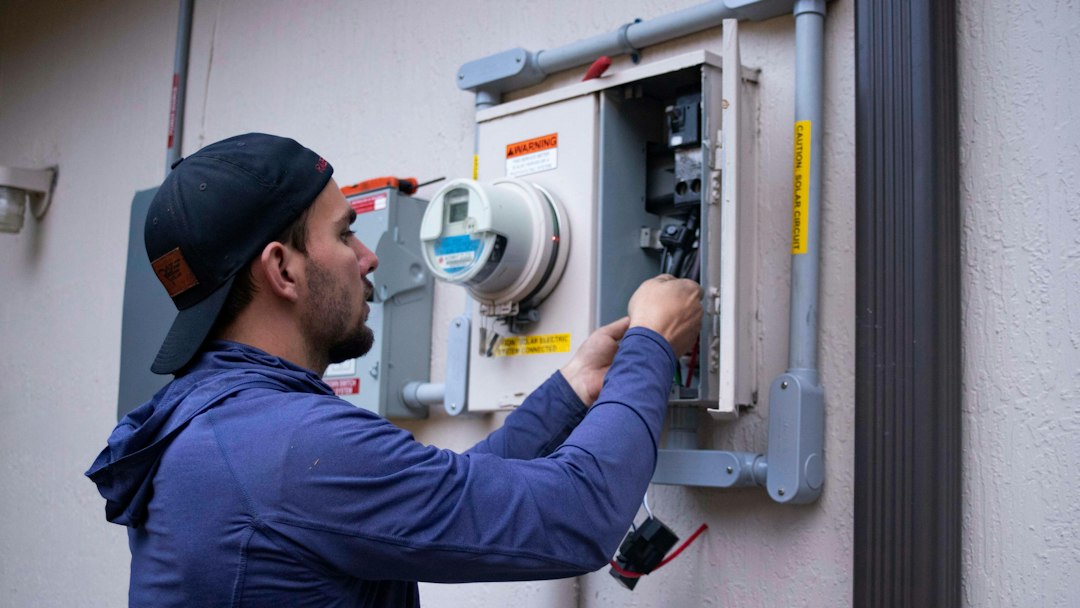
For homeowners, HOAs, and property managers in Los Angeles County, understanding the factors behind home battery installation cost is key to making informed decisions about energy independence and grid resilience. The overall powerwall installation cost, or for any home battery installation cost California, typically ranges from $11,460 to $15,504 for a 13 kWh system installed. This range reflects various elements, from the specific battery system chosen, like a Tesla Powerwall or an Enphase battery, to the complexity of integrating it with your existing electrical infrastructure. Key cost drivers include the number of batteries, the scope of any necessary electrical panel upgrades (like a 200A panel upgrade which can be $3,500 to $6,500), and the associated permitting and utility interconnection processes. Our Kilowire team provides free estimates to assess your unique property and determine the exact scope of work and associated costs for your battery storage installation, ensuring transparency from the start.
What Drives Home Battery Installation Cost in SoCal?
Several critical factors contribute to the total cost of installing a home battery system in Southern California. We’ll break down these elements to give you a clearer picture of what to expect.
The Battery System Itself: Capacity and Brand
The most significant component of your home battery installation cost is, naturally, the battery system itself. The capacity of the battery (measured in kilowatt-hours, or kWh) directly impacts its price. Larger capacities offer more backup power and longer duration, but come with a higher price tag. For instance, a standard 13 kWh home battery system, installed, typically falls within the range of $11,460 to $15,504.
Brands like Tesla Powerwall and Enphase are popular choices, each offering different features, warranties, and integration capabilities. The number of batteries you choose to install also plays a role; whole-home backup often requires multiple units, increasing the overall battery count and thus the cost. The complexity of the installation, including whether it’s a new solar-plus-storage system or a retrofit to an existing solar array, can impact labor costs. We also specialize in solar electrical services to ensure seamless integration.
Electrical Panel Considerations
Integrating a new home battery system often requires modifications to your existing electrical panel. This can be a significant cost driver, depending on your current setup. Our electricians carefully assess your main electrical panel and busbar limits to ensure safe and compliant installation.
- Backup Panel Scope: If you opt for partial home backup, a dedicated backup subpanel may be installed to power only essential circuits during an outage. This scope can vary in complexity.
- Main Panel/Busbar Limits: Older homes, especially those with 100-amp service, may require a main panel upgrade to safely accommodate the new battery system and its charging capabilities. A 200A panel upgrade (installed) in Los Angeles can range from $3,500 to $6,500 per job. This ensures your system can handle the additional load and efficiently manage power flow. You can learn more about panel upgrades on our electrical panel upgrade services page.
- Conformity to Code: All electrical work must adhere to the California Electrical Code (Title 24 Part 3) and the National Electrical Code (NEC). Specifically, NEC Article 706 governs permanently installed energy storage systems (ESS) operating at over 50 volts AC or 60 volts DC, outlining requirements for disconnecting means, system ratings, and installation clearances for systems over 1 kWh. The 2026 NEC also directs battery backup sizing towards Article 702 for optional standby systems, with Section 702.4(A)(3) addressing multimode inverter-based systems in one- and two-family dwellings, requiring them to be listed as a power control system (PCS) for overload control.
Permitting and Interconnection
Permits are a mandatory part of any home battery installation in Southern California, ensuring your system meets local safety and electrical codes. The permitting process involves both your local building department and your utility provider.
- Local Permits: In the City of Los Angeles, the Los Angeles Department of Building and Safety (LADBS) issues electrical permits for energy storage systems. For properties in unincorporated Los Angeles County (such as Hacienda Heights or Rowland Heights), permits are handled by LA County Public Works Building and Safety. Other cities in LA County have their own building departments. Battery storage installations also trigger review and approval from the local fire department, which may include fire-setback requirements. We pull and manage the permit for you; depending on your city we file with the right agency.
- Utility Interconnection: Beyond local permits, your utility provider (Southern California Edison (SCE) in most areas, Los Angeles Department of Water and Power (LADWP) in the City of Los Angeles, or Pasadena Water and Power in Pasadena) must approve the interconnection of your battery system to the grid. This is a separate process from the electrical permit. Always confirm with your city’s building department on its official website for specific requirements.
- Installation Complexity and Labor: The complexity of the installation, including whether it’s a new solar-plus-storage system or a retrofit to an existing solar array, can impact labor costs. Our electricians have over 15 years of experience ensuring efficient and code-compliant installations. We also provide a 1-year workmanship warranty on all our installations.
Understanding Rebates and Tariffs for Battery Storage
While the upfront powerwall installation cost or general home battery installation cost California can be substantial, various programs and tariffs can influence the long-term value and savings.
- NEM 3.0 (Net Billing Tariff): The California Public Utilities Commission (CPUC) adopted the Net Billing Tariff, commonly known as NEM 3.0, which applies to customers of investor-owned utilities like SCE, PG&E, and SDG&E who submitted interconnection applications on or after April 15, 2023. Under NEM 3.0, the credit you receive for exporting excess solar energy to the grid is significantly reduced compared to previous net metering rules, making home batteries essential for maximizing solar savings by storing daytime energy for use during expensive peak evening hours. LADWP customers are not subject to NEM 3.0 and operate under their own net metering programs. For more details, explore our insights on NEM 3.0 & Home Batteries or visit the California Public Utilities Commission website for official information on the Net Billing Tariff.
- Rebates and Incentives: The landscape of battery storage incentives has changed. The federal residential clean energy credit (previously 30%) for homeowners expired on December 31, 2025. The Self-Generation Incentive Program (SGIP) general market battery rebate also closed statewide as of December 31, 2025. As of late 2026, the only active residential pathway for SGIP is the income-qualified Residential Solar and Storage Equity (RSSE / AB 209) budget, which is fully reserved and waitlisted. Customers of municipal utilities like LADWP and Pasadena Water and Power are not eligible for SGIP. Additionally, the California property tax exclusion for active solar energy systems, which includes battery storage, is set to end for systems completed after December 31, 2026. Systems installed before this date will continue to qualify for the exclusion until a change in ownership. Some municipal utilities, such as Pasadena Water and Power, may offer their own local rebates, so it’s worth checking with your specific utility provider.
Is Your Home “Battery-Ready”? California Energy Code Requirements
California is actively promoting energy storage for grid stability and resilience. The California Energy Code (Title 24 Part 6) includes “battery-ready” requirements for new single-family homes. Under Section 150.0(s) of the 2025 Energy Code, effective January 1, 2026, new single-family buildings with one or two dwelling units and utility service greater than 125 amps must be “battery-ready”. These requirements are mandatory but do not apply to additions, alterations, or homes with electrical service of 125 amps or less, or if a battery system is already installed.
These “battery-ready” provisions streamline future battery storage installation, potentially reducing costs and complexity down the line. They typically include:
- Dedicated Circuits: A minimum of four branch circuits identified and grouped in a panelboard suitable for battery supply, including the refrigerator, a lighting circuit near the primary exit, and a receptacle outlet in a bedroom.
- Main Panel Busbar Rating: The main panelboard busbar must have a minimum rating of 225 amps.
- Reserved Space: Sufficient space must be reserved within three feet of the main panel for future isolation equipment or a transfer switch, with raceways installed between the two locations.
- Interconnection Equipment/Raceway: This also includes either BESS-ready interconnection equipment with a minimum backed-up capacity of 60 amps and a minimum of four BESS-supplied branch circuits, or a dedicated raceway from the main service to a subpanel that supplies the branch circuits.
To explore solutions for making your home smarter and more energy-efficient, visit our energy storage and smart panels page.
Here’s a general comparison of typical battery installation scenarios:
| Factor | Basic Single Battery Installation (e.g., one 13 kWh unit) | Multiple Battery / Complex Installation (e.g., whole-home backup, panel upgrade) |
|---|---|---|
| Battery Count | One | Two or more |
| Capacity | ~13 kWh | 20-40+ kWh |
| Electrical Panel | Existing panel capacity sufficient or minor adjustments | Often requires 200A panel upgrade (costing $3,500–$6,500) or backup subpanel |
| Permitting | Standard ESS permit, fire review | Standard ESS permit, more extensive fire review, potentially more complex plan check |
| Overall Cost Range | $11,460–$15,504 per 13 kWh system | Higher, depending on battery count and electrical upgrades (e.g., $11,460–$15,504 per battery plus panel upgrade costs) |
Prices are for general reference; the price of each project is individual and depends on the building and the scope of work, and is confirmed after an estimate.
Frequently Asked Questions
Q1: Why is a home battery important with NEM 3.0?
A1: With NEM 3.0 (the Net Billing Tariff), the value utilities pay for exported solar energy is significantly lower. A home battery allows you to store excess solar generated during the day and use it during peak evening hours when electricity rates are highest, maximizing your savings and reducing reliance on the grid.
Q2: What electrical work might be needed for a battery installation?
A2: Depending on your existing electrical system, a battery installation might require a main electrical panel upgrade, especially if you have a 100-amp panel. A dedicated backup subpanel may also be installed to manage which circuits receive power during an outage. All work must comply with California Electrical Code.
Q3: Do I need permits for a home battery in LA County?
A3: Yes, home battery installations require permits from your local building department (e.g., LADBS for the City of LA, LA County Public Works for unincorporated areas) and approval from the local fire department. Your utility also needs to approve the interconnection. Kilowire handles all permitting for you.
Q4: Are there any rebates for home batteries in California?
A4: The federal residential clean energy tax credit for homeowners ended in 2025, and the general market SGIP battery rebate is closed. The California property tax exclusion for solar and battery systems also ends after 2026. Some municipal utilities in California may offer local incentives. It’s best to check with your specific utility provider for any available programs.
Get a Free Estimate
Questions about your home? Call (626) 600-0818 or request a free estimate. A diagnostic visit is $99. We pull and manage the permit for you; depending on your city we file with the right agency.
Prices are for general reference. The price of each project is individual and depends on the building and the scope of work, and is confirmed after an estimate. Permit rules, fees, codes and utility requirements vary by city and change over time. Please confirm the details on the official website of your city's building department and your utility before starting work.
Written by the KiloWire Team. Kilowire Electric is a d/b/a of SKILL SEE SERVICES INC, CSLB License #1110475 (B, C-10), 6018 Washington Ave, Whittier, CA 90601.
Photo by Raze Solar on Unsplash