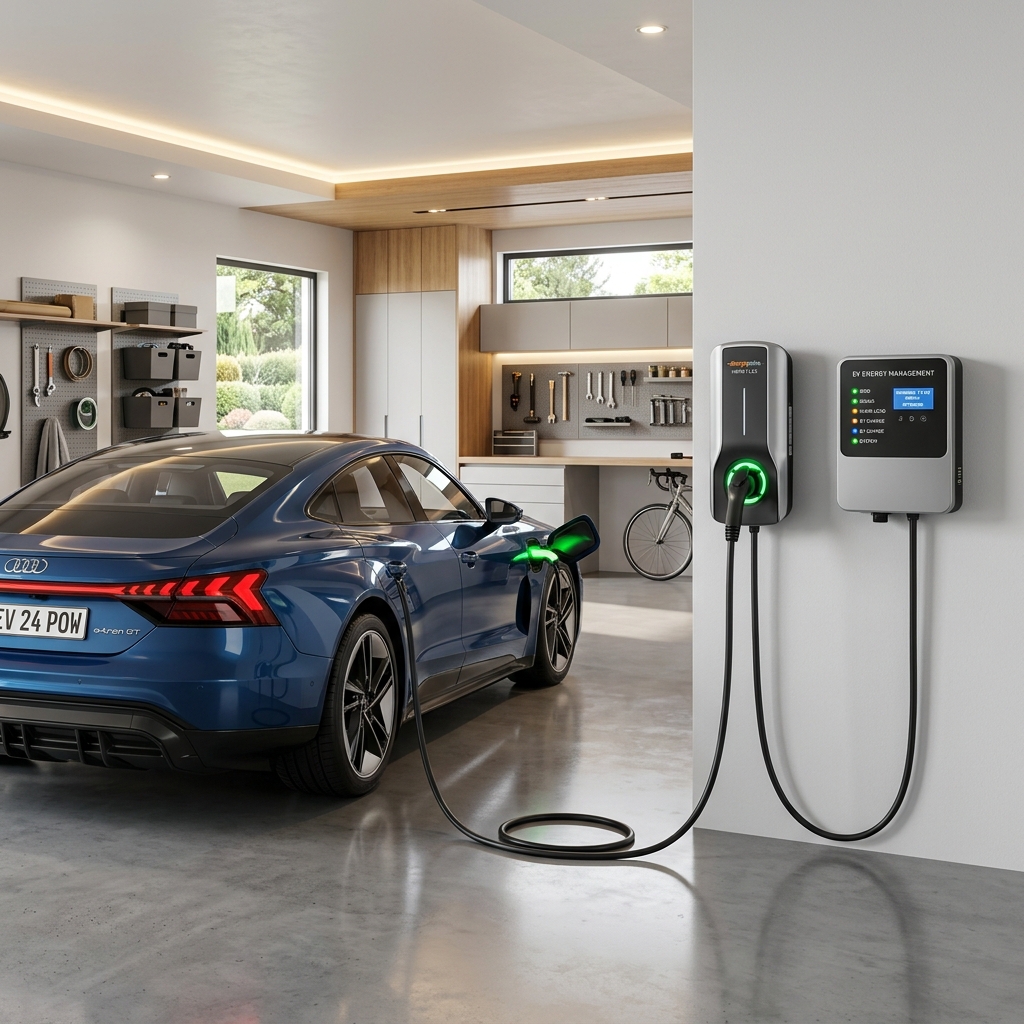
As electric vehicles become increasingly common on Southern California’s roads, many homeowners find themselves facing a crucial question: ‘How can I efficiently and safely charge my EV at home without overhauling my entire electrical system?’ At KiloWire Electric, a premier electrical and smart home contractor in the region, our team is here to tell you that the future of home EV charging is smarter, safer, and more accessible than ever, especially with the latest advancements and upcoming regulations in 2025-2026.
The New Reality of Home EV Charging in Southern California
Southern California is at the forefront of EV adoption, a trend that’s rapidly accelerating into 2026. This surge brings with it important updates to building and electrical codes designed to ensure safety, efficiency, and grid stability. Gone are the days of casual DIY setups; the 2026 National Electrical Code (NEC) now mandates that all permanently installed Level 2 EV chargers be installed by a ‘qualified person’—a licensed electrician. This critical change prioritizes your home’s safety and guarantees compliance with evolving electrical standards.
Furthermore, California’s stringent building codes, notably the 2025 CALGreen Code effective January 1, 2026, are significantly shaping EV infrastructure. New residential constructions across the state now require EV charging readiness in most overnight parking spots. For multi-family developments, the requirements are even more comprehensive, often demanding that 100% of assigned parking spaces be ‘EV Ready’ with a complete 20-amp, 240-volt circuit. This means dedicated wiring and breaker are in place, ready for a charging receptacle. These regulations underscore the importance of professional installation and forward-thinking planning for any homeowner or property manager considering an EV charger.
When it comes to the cost of a Level 2 EV charger installation in Los Angeles, most straightforward projects typically range from $1,000 to $2,500, covering both the hardware and labor. However, more complex installations involving long wire runs, trenching for detached garages, or—most significantly—an electrical panel upgrade can push costs to $2,500 to $5,500+. Permit fees from the Los Angeles Department of Building and Safety (LADBS) typically range from $50 to $500, and are a mandatory part of the process to ensure compliance and safety.
Smart Charging: Your Key to Efficiency and Avoiding Costly Upgrades
One of the biggest concerns for homeowners is often whether their existing electrical panel can handle the additional load of a Level 2 EV charger. Many older Southern California homes, especially those with 100-150 amp services, might seem to require a costly panel upgrade. This is where modern EV Energy Management Systems (EVEMS) and smart charging come into play, offering an intelligent solution.
EVEMS, often integrated within a broader Home Energy Management System (HEMS), are cutting-edge technologies that monitor, control, and optimize your home’s electricity usage in real-time. These systems can dynamically adjust your EV charger’s power draw based on your home’s overall electrical demand, preventing overloads and often eliminating the need for an expensive panel upgrade. In fact, studies show that circuit-sharing devices and load management can reduce the need for panel upgrades by up to 60%. The NEC 2026 further supports this by requiring these energy management systems to be UL-certified (‘listed’) products with restricted access, ensuring reliability and safety.
Southern California utilities are actively promoting smart charging. Southern California Edison (SCE), for instance, offers the ‘Charge Smart - SoCal’ program in partnership with WeaveGrid, providing dynamic charging schedules that align with off-peak hours and grid conditions, potentially saving drivers up to $600 per year. Clean Power Alliance (CPA) also offers an ‘EV SmartCharge’ app-based program for customers in Los Angeles and Ventura Counties, helping them charge during the most cost-effective times and offering up to $260 in first-year benefits. Both LADWP and SCE also provide various Time-of-Use (TOU) rate plans that incentivize charging during off-peak periods with lower electricity rates.
Emerging technologies like Vehicle-to-Grid (V2G) and Vehicle-to-Home (V2H), which allow your EV’s battery to export electricity back to your home or the grid, are becoming commercially available. When integrated with a sophisticated HEMS, these advancements can significantly boost your energy independence and savings, turning your EV into a powerful, mobile battery for your home.
Home EV Charging Options & Considerations
- Level 2 Charger (240V): Essential for practical daily charging, delivering 20-35 miles of range per hour. Most common choice for homeowners.
- Electrical Capacity: Your existing panel’s amperage. A site assessment by a licensed electrician is crucial to determine if a panel upgrade or a smart charging solution (EVEMS) is necessary.
- Permitting: Always required for Level 2 installations in Los Angeles County, ensuring safety and code compliance. Your contractor should handle this.
- Rebates & Incentives: Investigate current LADWP and SCE programs. LADWP offers up to $1,000 for charger installation plus $250 for a dedicated meter, with additional funds for income-eligible customers. SCE offers programs like Charge Ready Home that can assist with panel upgrade costs. The federal 30C tax credit was available through 2025 for eligible census tracts and will not be allowed for property placed in service after June 30, 2026.
Frequently Asked Questions About Home EV Charging
Q1: How much does a Level 2 EV charger installation cost in Los Angeles? A straightforward Level 2 EV charger installation in Los Angeles typically costs between $1,000 and $2,500, including the charger unit and labor. However, if your home requires significant electrical work like a panel upgrade, longer wire runs, or trenching, the cost can increase to $2,500-$5,500+.
Q2: Do I need a permit for an EV charger installation in Southern California? Yes, absolutely. Most Level 2 EV charger installations in Los Angeles and Orange County require permits. This ensures the installation meets local electrical codes, adheres to safety standards, and qualifies for any available rebates or incentives. A reputable contractor like KiloWire will handle the permitting process for you.
Q3: Can smart charging help me avoid an electrical panel upgrade? In many cases, yes! Smart charging systems, often called EV Energy Management Systems (EVEMS), can dynamically manage the power drawn by your EV charger based on your home’s overall electrical load. This intelligent load balancing can prevent your panel from being overloaded, often allowing you to install a Level 2 charger without needing a costly main electrical panel upgrade.
Q4: What rebates are available for EV charger installation in Los Angeles? Southern California residents have access to several incentives. LADWP offers residential rebates of up to $1,000 for Level 2 EV charger purchase and installation, plus $250 for a dedicated EV meter, with additional support for income-eligible customers. SCE’s Charge Ready Home program can help offset costs for panel upgrades, and both utilities offer advantageous Time-of-Use (TOU) rate plans for EV owners.
Ready to Power Your EV the Smart Way?
Don’t let concerns about electrical capacity or complex regulations deter you from enjoying the convenience of home EV charging. With modern smart charging solutions and the expertise of a licensed contractor, you can power your electric vehicle safely, efficiently, and cost-effectively.
At KiloWire, our team is committed to providing Southern California homeowners, landlords, and property managers with code-compliant, high-value electrical solutions. Book an Assessment with KiloWire today to discuss your specific needs. Let us help you navigate the incentives, understand the latest 2026 regulations, and design a Level 2 EV charging system that perfectly integrates with your lifestyle and electrical infrastructure. Your journey to seamless home EV charging starts here!