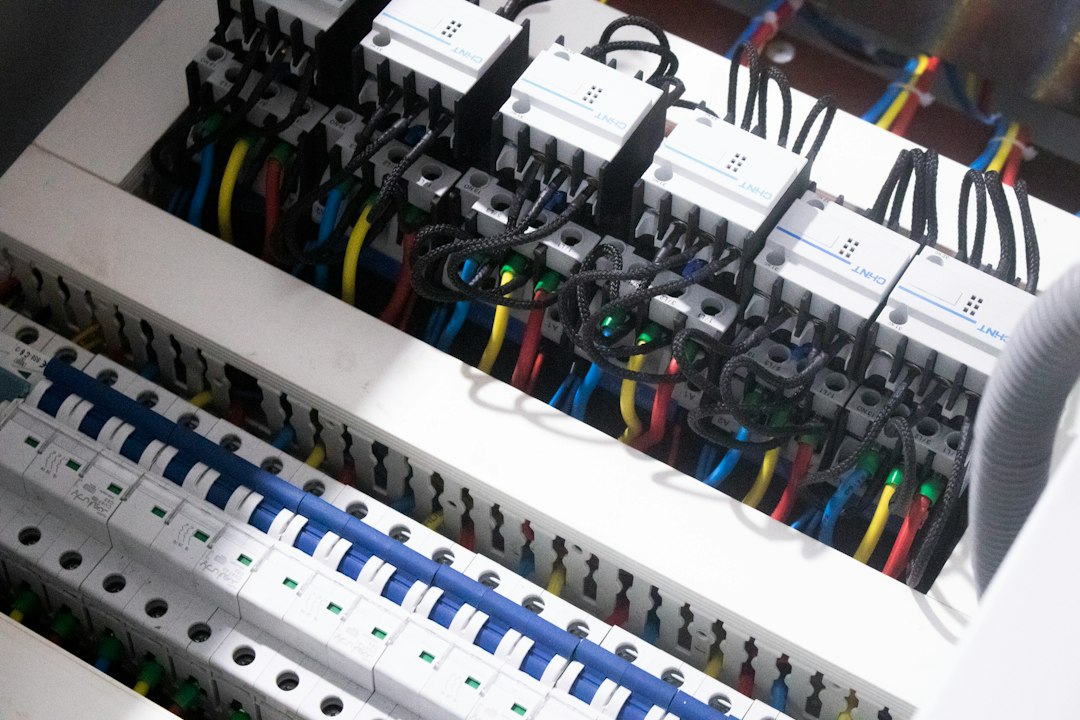
Homeowners in Southern California experiencing flickering lights, frequently tripping breakers, or concerns about outdated wiring need immediate, professional electrical troubleshooting. These symptoms are not just nuisances; they often signal serious underlying safety hazards like overloaded circuits, loose connections, or arc faults, which can lead to electrical fires or electrocution. At KiloWire Electric, our licensed electricians offer a specialized diagnostic service, starting with a promotional $99 inspection (within 10 miles of 91748), designed to pinpoint the root cause using advanced tools and deep expertise. Whether it’s an aging panel requiring an upgrade (typically $2,800-$4,500) or a faulty AFCI/GFCI breaker, swift action ensures your home meets current California Electrical Code (Title 24 Part 3) and LADBS safety standards, preventing costly repairs and ensuring peace of mind.
Understanding Common Residential Electrical Hazards
Flickering lights and tripping breakers are among the most common electrical complaints, yet they often point to distinct underlying issues requiring specialized diagnosis. Ignoring these signs can escalate into serious safety risks for your property and family.
Flickering Lights: More Than Just a Nuisance
Flickering lights can be caused by a variety of factors, from a simple loose bulb to a critical problem with your home’s wiring or even the utility grid. Common culprits our KiloWire technicians often discover include:
- Loose Connections: The most frequent cause. A loose wire connection at a switch, outlet, light fixture, or even within the main electrical panel can cause intermittent power flow, leading to flickering.
- Voltage Fluctuations: These can stem from internal issues like an overloaded circuit, or external factors such as problems with your utility’s (SCE or LADWP) grid or heavy power draw from large appliances within your home.
- Aging Wiring: Older homes, particularly those predating the 1970s, often have aluminum or knob-and-tube wiring which can degrade over time, leading to resistance and intermittent connections.
- Faulty Breakers or AFCI/GFCI Devices: While primarily designed for protection, a failing breaker can sometimes cause intermittent power delivery.
- High-Demand Appliances: Starting large appliances (e.g., HVAC units, well pumps, older refrigerators) can momentarily draw significant current, causing a brief voltage dip and noticeable flicker. This is often an indicator of inadequate service capacity.
Tripping Breakers: A Critical Safety Mechanism
Circuit breakers are your home’s guardians, designed to trip (switch off) when they detect an overload or a short circuit, preventing overheating and potential fires. While an occasional trip might be due to a temporary overload, frequent tripping is a clear signal of a persistent problem:
- Overloaded Circuits: The most common cause. Too many high-wattage devices plugged into a single circuit force it to draw more current than it’s rated for, causing the breaker to trip. This is particularly prevalent with modern electronics and EV chargers in older homes without sufficient dedicated circuits.
- Short Circuits: Occur when a ‘hot’ wire touches a ‘neutral’ or ‘ground’ wire, creating an immediate surge of current. This is a serious fire hazard and causes instant tripping.
- Ground Faults: Similar to short circuits, but occur when a ‘hot’ wire touches a grounded surface or component. GFCI (Ground Fault Circuit Interrupter) breakers/outlets are specifically designed to detect these, protecting against electrocution, especially in wet areas as mandated by Title 24 Part 3.
- Arc Faults: Caused by damaged, frayed, or loose wiring connections that create dangerous electrical arcs. AFCI (Arc Fault Circuit Interrupter) breakers are now widely required by the California Electrical Code to detect these subtle, yet hazardous, conditions that traditional breakers miss.
- Faulty Breaker: Less common, but a breaker itself can wear out or become defective, tripping unnecessarily or failing to trip when it should.
Modern Solutions for Residential Electrical Safety
At KiloWire Electric, our CSLB licensed and insured technicians utilize the latest diagnostic tools and adhere to all Southern California building and electrical regulations, including Title 24 Part 3 (California Electrical Code), Title 24 Part 6 (Energy Efficiency Standards), and LADBS Ordinances. We’re also abreast of emerging technologies and potential NEC 2026 / CEC 2026 amendments that will shape future safety standards.
For persistent issues, a comprehensive electrical panel upgrade might be necessary. Older panels (like Zinsco or Federal Pacific Electric) are known hazards and often lack the capacity for today’s electrical demands, failing to meet current safety standards. A modern 200-amp panel, such as those compatible with a SPAN Smart Panel, offers enhanced safety, capacity, and even circuit-level monitoring for proactive diagnostics.
For homeowners adding an EV charger, we frequently encounter circuits being overloaded. Instead of a costly main panel upgrade, innovative EV Energy Management Systems (EVEMS) adhering to NEC Article 625.42 offer smart solutions. Devices like the DCC-12 by RVE/Thermolec or the NeoCharge Smart Splitter can intelligently share power with other appliances, preventing trips and often costing $1,500-$2,200 compared to a full panel upgrade.
Our service calls begin with a thorough inspection, identifying exact points of failure, whether it’s a compromised wire, a failing component, or a code violation that needs immediate attention. We ensure your electrical system is safe, efficient, and compliant.
Expert Troubleshooting & Repair Comparison
| Solution | Capacity / Code Compliance | Avg Cost | Timeline |
|---|---|---|---|
| Diagnostic Service | Pinpoints issues per Title 24 Part 3, identifies hazards. | $99 promotional special | 1-2 hours |
| Circuit Repair | Fixes loose connections, replaces faulty outlets/switches; restores code compliance. | $250 - $750 | 1-4 hours |
| AFCI/GFCI Breaker Replacement | Upgrades protection against arc/ground faults; essential for modern safety standards. | $150 - $350 per breaker | 1-2 hours per breaker |
| EV EMS Installation | NEC Article 625.42 compliant, manages EV charging load without panel upgrade. | $1,500 - $2,200 | 3-6 hours |
| Electrical Panel Upgrade | Enhances capacity (e.g., 200A), replaces hazardous panels, brings system to current code (LADBS permit required). | $2,800 - $4,500+ | 1-2 days |
Note: Costs are estimates and can vary based on specific home conditions and material choices.
Your Trusted Southern California Electrical Partner
At KiloWire Electric (Skill See Services Inc., CSLB #1110475), we are committed to providing top-tier electrical services throughout Los Angeles County. Our team of field project specialists brings unparalleled expertise to every job, ensuring your home’s electrical system is safe, reliable, and up to code. We pride ourselves on accurate diagnostics and durable repairs, backed by our 1-year workmanship warranty and $1M general liability coverage.
Don’t let electrical problems linger. Proactive troubleshooting by licensed professionals protects your home and family. Whether you’re dealing with intermittent flickers, constant breaker trips, or simply need an electrical safety inspection, the KiloWire team is ready to help. Learn more about our specialized troubleshooting services at /services/electrical/service-calls.
Contact us today at (626) 600-0818 or visit us at 6018 Washington Ave, Whittier, CA 90601 to schedule your diagnostic service and restore peace of mind to your home.
For additional insights into electrical safety and regulations, please refer to the official resources of the California Contractors State License Board and the Los Angeles Department of Building and Safety.
Q1: Why are my lights flickering only sometimes?
A1: Intermittent flickering lights are most commonly caused by loose electrical connections within light fixtures, switches, outlets, or even your main service panel. They can also indicate voltage fluctuations due to an overloaded circuit or an issue from the utility provider (SCE/LADWP).
Q2: Is it safe to reset a tripping breaker repeatedly?
A2: No, it is not safe to repeatedly reset a tripping breaker. A breaker trips to prevent overheating and potential fires caused by an overloaded circuit, short circuit, or ground fault. If it trips frequently, it’s indicating a serious underlying issue that requires immediate professional diagnosis by a licensed electrician.
Q3: How do I know if my electrical panel needs an upgrade in Southern California?
A3: Signs your electrical panel needs an upgrade include frequent breaker trips, flickering lights, strange burning odors, reliance on extension cords, outlets that feel warm, or if you have a known hazardous panel brand (like Federal Pacific or Zinsco). Modern homes with EVs, solar, or many high-demand appliances often exceed the capacity of older panels and require an upgrade to meet current California Electrical Code (Title 24 Part 3) and LADBS standards.