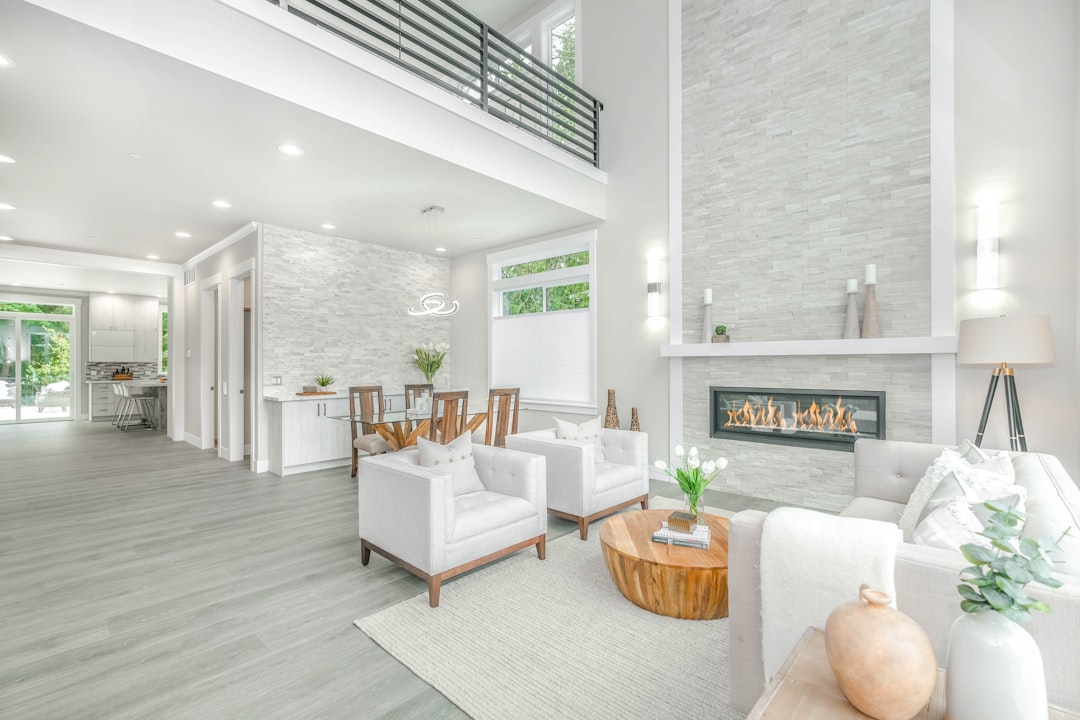
As an expert electrical engineer and licensed contractor, I’ve seen firsthand how rapidly Southern California homes are evolving. Gone are the days of fumbling for light switches or manually adjusting every blind. Today’s homeowners expect a seamless living experience, one that anticipates their needs and enhances their lifestyle. But with new technologies constantly emerging, and critical updates to our local building and electrical codes taking effect, how do you ensure your smart home is not only convenient but also safe, compliant, and future-proof? I’m Dmitrii, owner of KiloWire, and I’m here to illuminate the path forward for smart home automation in 2026 and beyond.
The Intelligent Home: Unlocking 2026’s Smart Living Potential
The landscape of smart home technology in Southern California is more integrated and intuitive than ever. The biggest trend we’re seeing for 2026 is the profound integration of lighting, motorized shades, climate, and home entertainment into cohesive, responsive ecosystems. Instead of disparate devices, imagine a home that truly understands your routines and preferences.
Systems like Lutron Caseta and RadioRA 3 continue to lead the charge in advanced lighting and motorized shades. We’re moving beyond simple on/off control to sophisticated ‘lighting scenes’ that adjust brightness, color temperature, and even align with your body’s natural circadian rhythm to promote wellness and productivity throughout the day. Think ‘Good Morning’ scenes that gradually brighten your bedroom lights and raise motorized shades, or ‘Movie Night’ scenes that dim the lights, lower shades, and activate your home theater, all with a single command. Lutron’s innovations even include new Caséta Smart Wood Blinds that auto-tilt with the sun, automatically optimizing natural light throughout the day. This level of integration creates environments that respond naturally to how you live, reducing the need for constant manual adjustments.
Beyond lighting and shades, comprehensive platforms like Control4 orchestrate your entire home, from audio and video distribution to security and climate control. These systems leverage advanced sensors and voice assistants, making interaction faster and more intuitive. For homeowners, this means unparalleled convenience, comfort, and a truly personalized living experience that adapts to your unique lifestyle. Moreover, the push for Matter over Thread compatibility in devices is ensuring broader flexibility and easier integration across various smart home ecosystems, future-proofing your investment.
Navigating Southern California’s Smart Future: Codes, Capacity, and Savings
While the allure of smart living is undeniable, homeowners in Southern California must also consider the critical role of electrical capacity, safety, and compliance with our constantly evolving building codes. As a C-10 licensed electrical contractor, I cannot stress enough the importance of professional installation to ensure your smart home is not just functional, but safe and legally compliant.
Critical Code Updates for 2026
Effective January 1, 2026, significant updates to the California Electrical Code (CEC), based on the 2023 National Electrical Code (NEC), are now in effect across the state. For homeowners, this means:
- Expanded AFCI and GFCI Protection: Arc-Fault Circuit Interrupters (AFCIs) and Ground-Fault Circuit Interrupters (GFCIs) are now required in almost all 120-volt, 15- and 20-amp branch circuits in dwelling units, including kitchens, laundry rooms, bathrooms, and garages. This greatly enhances safety by protecting against electrical fires and shocks.
- Mandatory Whole-Home Surge Protection: All new and replacement electrical panels must now include a Type 1 or Type 2 surge protective device (SPD). This protects your valuable smart home equipment and appliances from damaging power surges, a crucial safeguard in our modern, tech-reliant homes.
- Updated Smoke and CO Alarm Circuits: New requirements mandate that smoke and carbon monoxide alarms be on a dedicated branch circuit or powered by a 10-year sealed battery to prevent nuisance tripping.
In addition to the CEC, CalGreen (the California Green Building Standards Code) has also seen significant changes taking effect January 1, 2026. These updates emphasize sustainability and electrification, directly impacting smart home planning:
- EV-Ready Infrastructure: New single-family homes must have at least one EV-capable parking space, and multi-family buildings must provide EV-capable infrastructure for 40% of their parking spaces. Crucially, CalGreen allows for Automatic Load Management Systems (ALMS) to reduce the maximum required electrical capacity for EV charging, potentially avoiding costly electrical panel upgrades.
- Title 24 & Demand Responsive Controls: California’s Title 24 Energy Code mandates Demand Responsive Controls (smart thermostats) and high-efficacy lighting with dimming capabilities, directly integrating smart home features into energy efficiency requirements.
Smart Energy Management and Utility Programs
Southern California Edison (SCE) and the Los Angeles Department of Water and Power (LADWP) are actively modernizing their grids and promoting energy efficiency through smart technologies. Both utilities are rolling out demand response (DR) programs, incentivizing homeowners to allow smart devices like thermostats and EV chargers to automatically reduce energy use during peak demand times. These programs not only help stabilize the grid but also offer homeowners significant cost savings on their electricity bills.
Advanced home energy management systems, such as smart electrical panels like Span or Sense and Wiser energy monitors, allow you to track and control energy consumption down to individual circuits. These systems seamlessly integrate with solar installations and home battery storage, optimizing your energy usage, reducing peak demand charges, and even providing insights to lower your monthly costs. The County of Los Angeles is even administering programs to provide no-cost electric appliance retrofits to income-qualified households, further supporting electrification.
Your Smart Home Options for 2026
Investing in smart home automation today means investing in a more comfortable, efficient, and future-ready home. Here’s a quick look at key considerations:
- Integrated Systems (Lutron RadioRA 3, Control4): Offer comprehensive control over lighting, shades, climate, entertainment, and security. Best for a fully customized, high-end experience. Requires professional design and installation.
- Modular Systems (Lutron Caseta, Wi-Fi enabled devices): Excellent for starting small or automating specific areas. Offers robust reliability (Caseta) and a path to expansion. Increasingly compatible with broader ecosystems through
Matterstandards. - Energy Management Systems (Smart Panels, Monitors): Crucial for reducing utility bills and complying with new electrification mandates. Integrate with solar, battery storage, and demand response programs.
- Motorized Shades: Beyond convenience, they offer significant energy savings by managing solar heat gain and protecting interiors from UV damage.
Frequently Asked Questions About Smart Home Automation
Q: Is smart home automation really worth the investment? A: Absolutely. Beyond the immediate convenience and modern lifestyle, smart homes significantly enhance energy efficiency, leading to long-term cost savings on utilities. They also boost your property’s value and appeal in Southern California’s competitive market, especially with increasing code mandates for smart technologies.
Q: Do I need to upgrade my electrical panel for smart home automation? A: Not always, but it’s becoming more common. With new EV charging requirements, all-electric appliances, and comprehensive smart systems, many older panels may lack the capacity. An electrical assessment is crucial. Technologies like Automatic Load Management Systems can often help optimize existing capacity.
Q: Can I install smart home devices myself? A: While some basic smart devices are DIY-friendly, comprehensive smart home integration, especially involving lighting, motorized shades, and energy management, often requires complex wiring, system configuration, and adherence to local electrical codes. For safety, reliability, and code compliance in Southern California, particularly with the 2026 CEC and CalGreen updates, professional installation by a C-10 licensed electrical contractor is highly recommended.
Q: How do smart homes contribute to energy savings? A: Smart homes leverage automated lighting and motorized shades to optimize natural light and temperature, reducing the need for artificial lighting and HVAC. Smart thermostats learn your preferences to minimize energy waste, and integrated energy management systems monitor and control appliance usage, often integrating with utility demand response programs for peak-hour savings.
Embrace the Future of Your Southern California Home Today
As your trusted local electrical contractor, I, Dmitrii, am dedicated to helping you unlock the full potential of your home. The intersection of cutting-edge technology and evolving regulations means that planning your smart home system with an expert has never been more vital. From intricate Smart LED Lighting designs to seamless home automation systems that manage everything from your climate to your motorized shades, we ensure your investment is safe, compliant, and perfectly tailored to your lifestyle. Don’t let the complexities of modern electrical demands or code changes deter you from the convenience and efficiency a smart home offers.
Ready to transform your Southern California residence into an intelligent, energy-efficient, and secure sanctuary? Book a free assessment with KiloWire today, and let’s design the smart home of your dreams.