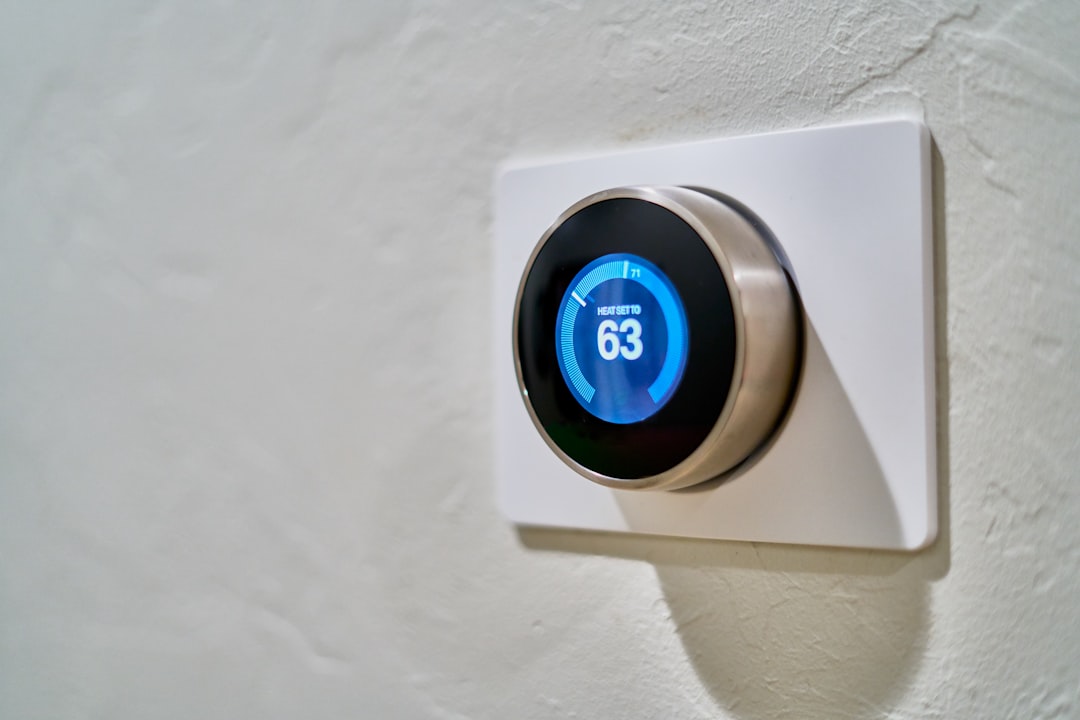
As an expert electrical engineer and licensed C-10 contractor, I’ve witnessed firsthand how quickly smart home technology is transforming our living spaces. Homeowners, landlords, and property managers across Southern California are no longer just seeking convenience; they’re demanding integrated systems that enhance safety, deliver significant energy savings, and seamlessly blend into a modern lifestyle. But with rapid technological advancements and evolving local building codes, staying informed is crucial.
Are you tired of managing multiple apps for your lights, adjusting blinds manually throughout the day, or constantly tweaking your thermostat? The future of home management is here, offering unparalleled control and efficiency right at your fingertips. At kilowire.com, we specialize in making these sophisticated systems accessible and compliant for your Southern California property. Let’s explore the latest in smart home automation and how it can benefit you.
The Evolving Landscape of Integrated Home Automation
The smart home market is surging, with innovations from industry leaders like Lutron and Control4 taking personalization and efficiency to new heights. Gone are the days of disparate smart gadgets; today’s homeowners desire a unified ecosystem.
Lutron’s Intelligent Light and Shade Solutions: Lutron continues to redefine natural and electric light control. In 2025 and 2026, Lutron introduced affordable smart wood blinds within its Serena line, featuring ‘Natural Light Optimization.’ This groundbreaking technology automatically adjusts blind slats based on your home’s exact GPS coordinates and the sun’s position, reducing glare and heat without you lifting a finger. This innovation seamlessly integrates with Lutron’s Caséta and RadioRA 3 systems, making sophisticated shade control more attainable than ever. The company’s ‘2026 Luxury Residential Trend Report’ underscores that integrated lighting and automated shades are no longer luxuries but essential elements for wellness, mood, and personalized home design.
Control4’s X4 OS for Ultimate Personalization: Control4 unveiled its ‘X4 operating system’ in 2025, marking a significant leap in user-friendly smart home management. X4 brings a refined look to touchscreens, remotes, and wall panels, with customizable widgets and quick action bars that put your favorite rooms and scenes front and center. This update empowers homeowners to create custom automations that previously required an integrator, like adjusting morning routines as seasons change. Furthermore, ‘X4 offers expanded Apple integration,’ allowing you to launch home scenes directly from your iPhone’s control center or via Siri, providing a truly synchronized experience. For those with multiple properties, X4’s new ‘Property Selector’ makes it effortless to manage climate, lighting, and security at different locations with a single tap. As ‘Control4 OS2 remote access and cloud services are set to end on August 4, 2026,’ upgrading to OS3 or X4 is essential to maintain full functionality and access the latest features, including new ‘Vibrant Smart Bulbs and Recessed Trim Lights’ and the sleek ‘T5 In-Wall Touchscreen.’
At kilowire.com, we are experts in designing and installing these advanced systems to create a truly intuitive and responsive living environment. Learn more about comprehensive smart home automation on our dedicated service page: Home Automation.
Navigating 2025/2026 Southern California Electrical & Building Codes
Keeping your smart home safe and compliant with the latest regulations is paramount. Southern California jurisdictions, including LADBS, actively adopt and amend state and national codes. The ‘2025 California Building Standards Code (Title 24),’ which includes electrical and green building requirements, became ‘mandatory statewide on January 1, 2026.’
National Electrical Code (NEC) 2026 Updates: The ‘2026 National Electrical Code (NEC),’ published September 9, 2025, brings several critical changes affecting residential and commercial electrical installations. Key updates include ‘advanced load calculations with Power Control Systems (PCS) and Energy Management Systems (EMS),’ which allow for smarter electrical demand assessments and can help avoid unnecessary service upgrades, especially for EV infrastructure projects. ‘Compulsory GFCI protection for outdoor HVAC units begins September 1, 2026,’ with high-frequency rated GFCIs recommended for inverter systems. Additionally, ‘outdoor service disconnects, clearly marked as ‘Emergency Disconnect,” are now required for single-family and duplex homes, enhancing safety for first responders.
California Green Building Standards Code (CalGreen) 2025/2026: The ‘2025 CalGreen Code changes, effective January 1, 2026,’ introduce ‘stricter standards for electrification’ and ‘new guidelines for smart home wiring.’ A significant focus is on ‘EV charging infrastructure requirements in new builds and substantial alterations.’ This includes specific sizing for EV-ready spaces, mandated receptacle types (NEMA 6-20R, 14-30R, 14-50R), and the allowance for ‘Automatic Load Management Systems (ALMS).’ ALMS can efficiently distribute power to multiple EV charging stations, ensuring each receives at least ‘3.3 kW simultaneously’ while maintaining overall electrical capacity. Our services, including EV Charger Installation, are always performed to the latest code standards.
LADBS Compliance: In Los Angeles, ‘the LADBS adopts state codes with local amendments,’ emphasizing that your permit application ‘deemed complete date’ determines which code cycle applies. Electrical permits are required for a wide range of work, including ‘electrical panel upgrades,’ ‘service upgrades,’ ‘EV charger circuits,’ and ‘lighting work.’ Our licensed contractors ensure all installations meet these stringent local requirements, preventing costly delays and ensuring long-term safety. For insights into ensuring your home’s electrical capacity meets modern demands, visit our Electrical Panel Upgrade page.
Beyond Convenience: Smart Homes for Energy Management & Wellness
Modern smart homes do more than automate; they optimize your environment for comfort, health, and cost savings.
- Energy Efficiency Through Automation: Automated motorized shades with sun-tracking capabilities significantly reduce heat gain in summer and insulate during cooler months, potentially ‘reducing cooling energy demand by up to 20% in sun-exposed rooms.’ This not only enhances comfort but also lowers your utility bills. Integration with smart thermostats further refines climate control, creating an intelligent and sustainable home.
- Human-Centric Lighting for Wellness: Tunable lighting systems, like those offered through Lutron’s intelligent lighting portfolio, can automatically adjust color temperature and brightness throughout the day. Cooler, energizing tones in the morning shift to warm, relaxing hues by evening, supporting your body’s natural circadian rhythms and promoting better sleep, mood, and focus.
- Smart Grid Integration: Utilities like LADWP and SCE are actively encouraging smart home integration for grid stability and energy conservation. LADWP, for instance, expanded its ‘Demand Response (DR) programs in 2025’ to be available in 2026, including ‘new Residential EV Managed Charging Programs’ and an ‘Internet-of-Things Device Based DR Program.’ These initiatives allow smart devices, from EV chargers to refrigerators and washing machines, to reduce energy use during peak demand times, offering homeowners incentives and cost savings. This intelligent energy management is a cornerstone of a future-proof home.
Smart Home Automation: Key Benefits & Considerations
| Feature/Benefit | Description |
|---|---|
| Enhanced Comfort | Automated lighting, climate, and shades respond to your schedule, preferences, and even external conditions like sunlight. |
| Significant Energy Savings | Optimized lighting, sun-tracking shades, and smart thermostat integration drastically reduce energy consumption and utility bills. |
| Improved Safety & Security | Integrated lighting scenes, automated shade control for privacy, and compliance with the latest electrical codes (e.g., GFCI, outdoor disconnects). |
| Modern Lifestyle & Convenience | Control your entire home from a single app, voice commands, or wall-mounted keypads. Effortless control for multiple properties. |
| Increased Property Value | Smart home technology is a highly desirable feature for modern buyers in Southern California. |
| Code Compliance & Future-Proofing | Ensures your home meets current (2025/2026) NEC, CalGreen, and LADBS electrical and building standards, including EV readiness. |
Frequently Asked Questions About Smart Home Automation
Q1: What is the first step to automating my home?
A: The ideal first step is a professional assessment of your current electrical infrastructure and your specific automation goals. A licensed contractor can evaluate your electrical panel capacity, existing wiring, and discuss which systems (like Lutron Caséta, RadioRA 3, or Control4) best suit your needs and budget. This ensures a scalable and compliant installation.
Q2: How do smart home systems like Lutron and Control4 save me money?
A: Smart home systems save money primarily through energy efficiency. Automated lighting and motorized shades reduce unnecessary energy consumption by turning off lights in empty rooms or adjusting shades to minimize heat gain/loss. Smart thermostats optimize HVAC usage. Additionally, participating in utility demand response programs (like LADWP’s new IoT and EV programs) can offer incentives and lower rates.
Q3: Are smart home installations compliant with local Southern California codes?
A: Absolutely, when installed by a licensed contractor like kilowire.com. We stay current with all ‘2026 NEC updates’ and ‘2025 California Building Standards Code (Title 24)’ requirements, including CalGreen and LADBS amendments. This covers everything from proper wiring and circuit protection to EV charging infrastructure.
Q4: Can I integrate my existing smart devices into a new system?
A: The level of integration depends on the devices and the chosen automation system. Leading platforms like Control4 offer extensive compatibility with a wide array of third-party devices and now boast ‘expanded Apple integration.’ Lutron Caséta also integrates with popular smart home platforms like Apple HomeKit, Amazon Echo, and Google Home. During your assessment, we can identify which of your current devices can be seamlessly incorporated.
Ready to transform your Southern California home into a smart, efficient, and intuitively controlled living space? Don’t let outdated systems or complex regulations hold you back. As licensed C-10 electrical contractors and smart home experts, kilowire.com is here to guide you through every step, ensuring a safe, compliant, and exceptional installation. Contact us today to Book an Assessment and discover the full potential of smart home automation for your property.