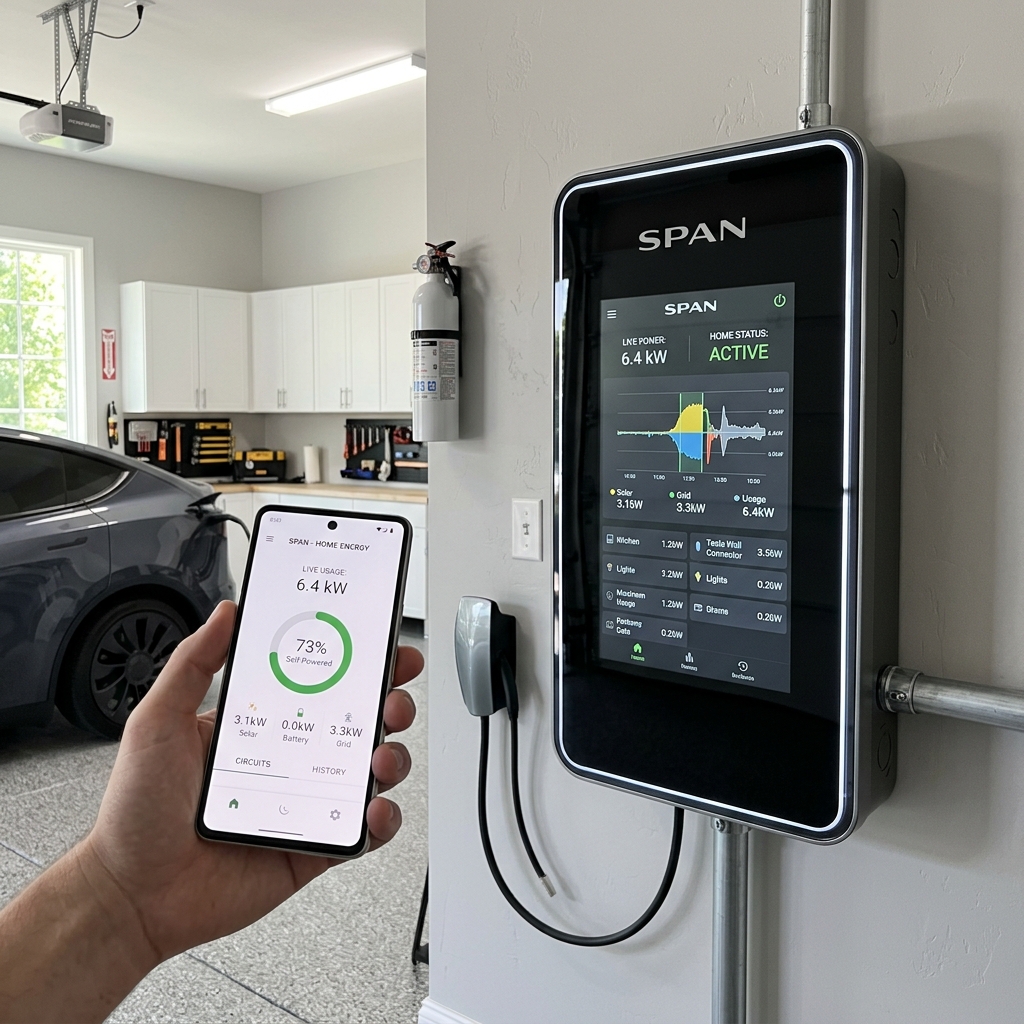
For homeowners, HOAs, and property managers in Southern California, choosing between a home battery backup vs generator for reliable whole house backup power during outages is a critical decision. While both systems ensure your lights stay on, they differ significantly in operation, cost, and environmental impact. A typical 13 kWh home battery system, installed, ranges from $11,460–$15,504, offering silent, instant power and often integrating with solar. Generators, conversely, provide longer runtime as long as fuel is available, but come with noise, emissions, and ongoing fuel costs. Our electricians at Kilowire Electric, with 15+ years of experience, help you navigate these options, considering permits, local codes, and your specific needs. For a personalized assessment and a free estimate, contact us to discuss the best power outage backup home solution for your property.
Why Backup Power is Essential in Southern California
Southern California faces unique challenges that make reliable backup power a necessity, not a luxury. From Public Safety Power Shutoffs (PSPS) during wildfire season to grid strain from extreme heat, and unexpected equipment failures, power outages are an increasingly common occurrence. Investing in a robust backup system protects your property, preserves essential services, and provides peace of mind. Kilowire Electric specializes in installing both home battery backup and generator systems, ensuring your property remains powered when the grid goes down.
Understanding Your Options: Home Battery Backup vs Generator
When considering whole house backup power, the primary choices are home battery backup systems and standby generators. Each offers distinct advantages and disadvantages, making the “best” choice highly dependent on your specific needs, budget, and priorities.
Home Battery Backup Systems
Home battery backup systems store electricity, typically from the grid or a solar array, for use during an outage. When the power goes out, an automatic transfer switch (ATS) seamlessly disconnects your property from the grid and switches to battery power, often so quickly you won’t notice the transition.
- How They Work: Batteries like Tesla Powerwall or Enphase IQ Battery store energy. When the grid fails, an inverter converts the stored DC power to AC for your home. If you have solar, the batteries can continue to charge from your panels during an outage, extending your backup duration. This integration is particularly relevant with California’s NEM 3.0 (Net Billing Tariff), which incentivizes pairing solar with storage. Learn more about solar and battery retrofits for NEM 3.0.
- Benefits: Silent operation, zero emissions, instant power transfer, low maintenance, and potential for energy bill savings through time-of-use (TOU) rate arbitrage. They can also integrate with smart panels for advanced energy management. Explore energy storage and smart panels.
- Considerations: Limited by stored capacity (kWh), which dictates runtime. Recharging depends on solar input or grid restoration. Initial installation costs can be significant.
- Permits & Codes: Installation requires an electrical permit from your local building department (e.g., LADBS in the City of LA, LA County Public Works for unincorporated areas). Fire safety is a critical consideration, adhering to the California Fire Code and standards like NFPA 855: Standard for the Installation of Stationary Energy Storage Systems.
Standby Generators
Standby generators are permanently installed outside your home and automatically turn on when grid power is lost. They run on fuel, typically natural gas or propane, to produce electricity.
- How They Work: Similar to battery systems, a standby generator uses an automatic transfer switch (ATS) to detect an outage and safely disconnect your home from the utility grid before starting up. Once running, it supplies power to your selected circuits or your entire home. When grid power returns, the generator shuts off, and the ATS switches your home back to utility power.
- Benefits: Can provide very long runtimes, limited only by the fuel supply. They are excellent for powering large loads for extended periods.
- Considerations: Generators are noisy during operation and produce exhaust emissions. They require a steady fuel supply (natural gas line or propane tank) and regular maintenance.
- Permits & Codes: Generator installation requires electrical, mechanical, and sometimes fuel storage permits. Local noise ordinances must be considered, and placement needs to comply with fire safety and setback regulations.
Key Factors for Your Decision
Choosing between a home battery vs generator involves weighing several factors unique to your property and lifestyle.
Cost Comparison: Home Battery Backup vs Generator
The initial investment and ongoing operational costs differ significantly between these two backup power solutions.
- Initial Investment:
- Home Battery Backup: A typical 13 kWh home battery system, installed, ranges from $11,460–$15,504. This cost can vary based on brand, capacity, and installation complexity. Some installations may require an electrical panel upgrade, which can range from $3,500–$6,500 for a 200A panel, or $5,000–$7,000 for a 100A to 200A upgrade with service/meter change.
- Standby Generator: Generators represent a significant investment, encompassing the generator unit itself, the automatic transfer switch, installation of fuel lines (for natural gas) or a propane tank, and all associated electrical and mechanical work. Exact pricing requires an on-site estimate due to the variability of equipment and site-specific needs.
- Operating Costs:
- Home Battery Backup: Operational costs are low, especially if paired with solar panels, allowing you to charge for free. If charging from the grid, costs depend on your utility’s Time-of-Use (TOU) rates.
- Standby Generator: Requires ongoing fuel purchases (natural gas or propane) and scheduled maintenance (oil changes, filter replacements, etc.), which can add up over time.
- Permit Costs: Permit costs for backup systems vary by city and scope. For instance, an EV charger permit in the City of LA typically ranges from $100–$300, giving an idea of permit fee ranges, but specific fees for battery or generator installations will differ. We pull and manage the permit for you; depending on your city we file with the right agency.
Prices are for general reference; the price of each project is individual and depends on the building and the scope of work, and is confirmed after an estimate.
Noise and Emissions
This is a clear differentiator.
- Home Battery Backup: Operates silently with zero local emissions, making it ideal for residential areas and properties where noise is a concern.
- Standby Generator: Produces significant noise during operation and emits exhaust fumes, requiring careful placement away from living spaces and property lines to comply with local noise ordinances.
Runtime and Fuel
- Home Battery Backup: Runtime is determined by the battery’s capacity and your home’s energy consumption. While sufficient for most essential loads during typical outages, extended outages might require careful energy management or solar recharging.
- Standby Generator: Can run for days or even weeks, as long as a continuous fuel supply is available. This makes them suitable for very long or frequent outages.
Maintenance and Lifespan
- Home Battery Backup: Requires minimal maintenance. Most systems come with robust manufacturer warranties (e.g., 10+ years). Kilowire Electric provides a 1-year workmanship warranty on all installations.
- Standby Generator: Requires regular maintenance, including oil changes, filter replacements, and periodic testing to ensure readiness.
Installation Complexity and Space
Both systems require professional installation by licensed electricians.
- Home Battery Backup: Units are typically compact and can be wall-mounted indoors or outdoors, adhering to local fire codes for clearances.
- Standby Generator: Requires outdoor space with specific clearances for ventilation, exhaust, and fuel connections. A concrete pad is often needed, and the fuel source must be safely plumbed.
Permits and Local Regulations in Los Angeles County
Proper permitting is crucial for the safe and compliant installation of any power outage backup home system. Kilowire Electric handles the entire permitting process for you.
- Building Departments:
- City of Los Angeles: Los Angeles Department of Building and Safety (LADBS)
- Unincorporated LA County: LA County Public Works Building and Safety (e.g., Hacienda Heights, Rowland Heights)
- Other Cities: Each city (e.g., Pasadena, Santa Monica) has its own building department. We always advise confirming specific requirements on your city’s official website.
- Utilities: Utilities like Southern California Edison (SCE) in most areas, LADWP in the City of LA, and Pasadena Water and Power in Pasadena handle service, meter changes, and interconnection agreements. They do NOT issue electrical permits.
- Codes and Standards: All installations must comply with the California Electrical Code (CEC), which is Title 24 Part 3 of the California Building Standards Code, and the National Electrical Code (NEC). For battery storage, NFPA 855 provides crucial fire safety guidelines.
- Rebates & Programs: California offers various incentives. The Self-Generation Incentive Program (SGIP) has historically supported battery storage, though eligibility and funding can vary. For solar-paired batteries, understanding NEM 3.0 (the Net Billing Tariff) from the California Public Utilities Commission (CPUC) is essential, as it impacts the economic benefits of exporting excess solar energy.
Comparison Table: Home Battery Backup vs. Standby Generator
Here’s a quick overview to help you compare the two options:
| Feature | Home Battery Backup | Standby Generator |
|---|---|---|
| Initial Cost | $11,460–$15,504 (13 kWh system installed) | Significant investment (equipment, installation, fuel) |
| Operating Cost | Low (especially with solar) | High (fuel, regular maintenance) |
| Noise | Silent | Loud during operation |
| Emissions | Zero | Produces exhaust fumes |
| Runtime | Limited by capacity; recharges from grid/solar | Limited by fuel supply; can run for days |
| Maintenance | Minimal | Regular service (oil, filters, fuel checks) |
| Fuel | Electricity (grid or solar) | Natural gas, propane, diesel |
| Installation | Electrical permit, fire safety codes (NFPA 855) | Electrical, mechanical, fuel permits; noise ordinances |
| Transfer Switch | Automatic (integrated or separate) | Automatic (essential) |
Whether you choose a home battery backup vs generator, our licensed electricians are here to provide expert guidance and professional installation. Our team has over 15 years of experience serving Los Angeles County, backed by $1M general liability coverage. We offer free estimates and manage all necessary permits to ensure a smooth, compliant installation process. Don’t wait for the next outage; secure your whole house backup power today.
Frequently Asked Questions
Q1: How long do home batteries last during an outage?
A1: The duration a home battery lasts depends on its capacity (kWh) and your home’s energy consumption during the outage. A typical 13 kWh battery can power essential circuits for 12-24 hours. With solar integration, this runtime can be extended as the battery recharges during daylight hours.
Q2: Can I use a generator with solar panels?
A2: Yes, it is technically possible, but it requires careful design and specific equipment like a smart transfer switch to manage both power sources safely and efficiently. The generator would typically act as an alternative power source when the solar panels and battery cannot meet demand or are recharging.
Q3: What permits are needed for backup power systems in LA County?
A3: Both home battery backups and generators require electrical permits. Generators may also require mechanical and fuel line permits. The specific agency depends on your location (LADBS for City of LA, LA County Public Works for unincorporated areas). Kilowire Electric handles all required permits.
Q4: How does Kilowire help with the installation process?
A4: Our team provides a free estimate to assess your needs, recommends the best system, and manages the entire installation process from start to finish. This includes pulling and managing all necessary permits, ensuring compliance with local codes, and providing a 1-year workmanship warranty. Contact us to get started.
Get a Free Estimate
Questions about your home? Call (626) 600-0818 or request a free estimate. A diagnostic visit is $99. We pull and manage the permit for you; depending on your city we file with the right agency.
Prices are for general reference. The price of each project is individual and depends on the building and the scope of work, and is confirmed after an estimate. Permit rules, fees, codes and utility requirements vary by city and change over time. Please confirm the details on the official website of your city's building department and your utility before starting work.
Written by the KiloWire Team. Kilowire Electric is a d/b/a of SKILL SEE SERVICES INC, CSLB License #1110475 (B, C-10), 6018 Washington Ave, Whittier, CA 90601.