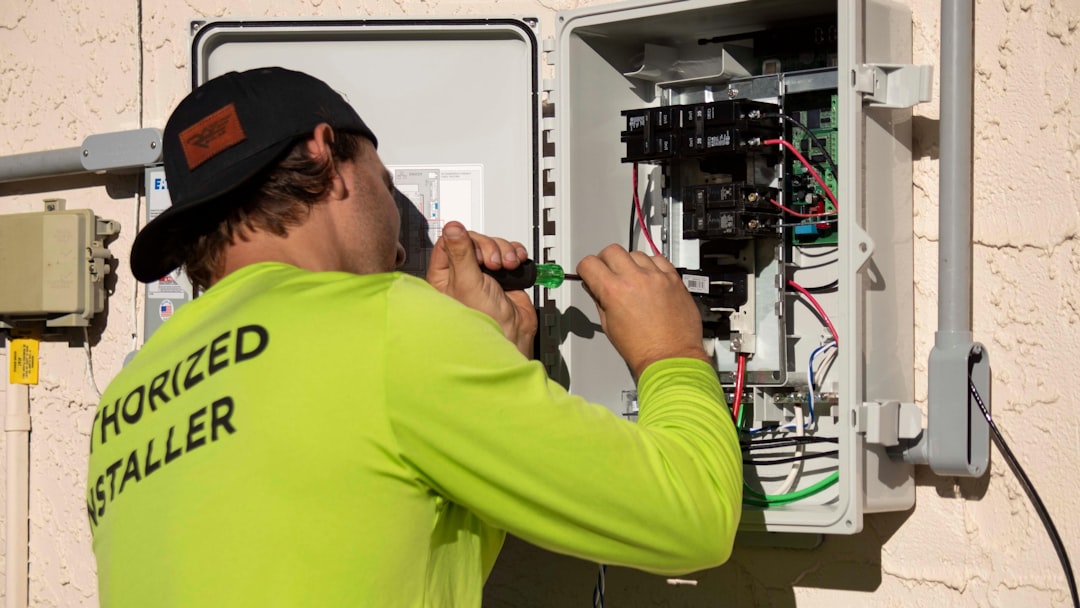
As Dmitrii, Master Electrician and Field Project Lead for KiloWire Electric (CSLB #1110475), I’m here to tell you that flickering lights, frequently tripping breakers, or unexplained power dips in your Southern California home are urgent safety warnings requiring immediate, expert electrical troubleshooting to prevent fire hazards and costly damage. KiloWire Electric offers a precise $99 diagnostic assessment to identify issues ranging from loose connections to overloaded circuits or faulty AFCI/GFCI devices, often resolving minor faults on the spot. If deeper issues like undersized panels or code violations are detected, we provide transparent solutions, potentially leveraging current grants up to $13,000 for panel upgrades or battery storage, ensuring your system complies with CEC Title 24 Part 3 and forthcoming NEC 2026 standards, safeguarding your home and family promptly.
Unraveling Southern California’s Common Electrical Mysteries
Home electrical systems are complex, and even minor symptoms can indicate significant underlying problems. In Los Angeles County, particularly across Whittier and surrounding areas we serve, we encounter specific challenges due to aging infrastructure, increasing electrical demand from modern appliances, and the rapid adoption of EV charging. Our approach to electrical troubleshooting is grounded in the California Electrical Code (CEC) Title 24 Part 3, based on NEC 2020, and anticipates changes from NEC 2023, informing future CEC 2025/2026 updates.
Flickering Lights: Beyond a Loose Bulb
Flickering lights are more than an annoyance; they signal potential dangers. Common causes include:
- Loose Connections: At switches, outlets, or within the electrical panel. These create resistance, generating heat and increasing fire risk.
- Voltage Fluctuations: Issues originating from your utility (SCE or LADWP) or, more commonly, within your home’s wiring. Overloaded circuits can draw too much power, causing sags.
- Aging Wiring: Especially in older Southern California homes, deteriorated wiring insulation can lead to intermittent contact.
- Faulty Dimmer Switches: Not all dimmers are compatible with modern LED lighting, leading to flicker.
- Arc Fault Circuit Interrupters (AFCIs): Nuisance tripping can occur with sensitive AFCI breakers (NEC Article 210.12) designed to detect dangerous electrical arcs. Our diagnostics differentiate nuisance trips from genuine hazards.
Tripping Breakers: Your System’s SOS
Breakers are designed to protect circuits from overcurrents. Frequent tripping is an alarm bell:
- Overloaded Circuits: The most common culprit. Too many high-demand appliances (e.g., air conditioners, hair dryers, microwaves) on a single circuit. With the rise of at-home EV charging, this often involves the main service panel, especially if not managed by an Electric Vehicle Energy Management System (EVEMS) per NEC Article 625.42, such as a DCC-12 by RVE/Thermolec or a NeoCharge Smart Splitter.
- Short Circuits: A direct path between hot and neutral wires, causing a massive surge of current. This can be due to damaged appliance cords, faulty wiring, or even a nail puncturing a cable.
- Ground Faults: When a hot wire touches a grounded part of the system or ground itself. Ground Fault Circuit Interrupters (GFCIs) (NEC Article 210.8) are mandatory in wet locations and will trip immediately to prevent electrocution.
- Faulty Breaker: Sometimes, the breaker itself is old or defective and needs replacement. Our electricians meticulously test breakers to confirm their functionality.
KiloWire’s Modern Troubleshooting & Safety Solutions
As a Class B + C-10 Electrical licensed contractor, KiloWire Electric approaches every service call with engineering-grade precision. Our $99 diagnostic assessment isn’t just a basic check; it’s a comprehensive evaluation by certified professionals using advanced tools to pinpoint the exact issue. We adhere strictly to LADBS ordinances and California building codes (e.g., Title 24 Part 6 for energy efficiency) ensuring every repair or upgrade meets the highest safety standards.
If your troubleshooting points to an outdated or undersized electrical panel (common in homes predating current energy demands), we offer upgrades starting from $2,800, potentially up to $4,500 for more complex 200-amp installations. Solutions like a SPAN Smart Panel can revolutionize your home’s energy management, offering unparalleled circuit-level insights and automation, crucial for homes incorporating solar (Enphase IQ8/5P) or battery storage (Tesla Powerwall 3). For EV charging dilemmas, EVEMS alternatives like the DCC-12 or NeoCharge can be installed for $1,500-$2,200, avoiding costly service upgrades while complying with NEC standards.
Trust KiloWire Electric to deliver prompt, professional electrical service calls <./services/electrical/service-calls> across Los Angeles County. We don’t just fix problems; we enhance your home’s electrical safety and future-proof its infrastructure.
Common Electrical Issue Severity & KiloWire Solution
| Issue | Immediate Danger Level | Common Causes | KiloWire’s Expert Solution |
|---|---|---|---|
| Flickering Lights | Moderate to High | Loose wiring, overloaded circuit, faulty dimmer | $99 diagnostic, connection tightening, circuit balancing, AFCI/GFCI testing, wire replacement. |
| Tripping Breakers | High | Overload, short circuit, ground fault, faulty breaker | $99 diagnostic, load assessment, circuit repair, breaker replacement, EVEMS installation. |
| Burning Smell | Critical | Overheated wiring, faulty appliance | Emergency service, circuit isolation, wiring inspection/replacement. |
| Outlet Sparking | High | Loose outlet, damaged wiring, short circuit | Outlet replacement, wiring repair, AFCI/GFCI installation. |
| Buzzing Sounds (Panel) | High | Loose bus bar, arcing connection | Panel inspection, tightening, component replacement, potential panel upgrade. |
Frequently Asked Questions About Home Electrical Safety
Q1: Why are my lights flickering intermittently throughout my home?
A1: Intermittent whole-home flickering often points to an issue with your main electrical service, such as a loose connection at the utility’s point of entry (weatherhead) or within your main service panel. It could also indicate a significant voltage drop due to an overloaded service or an issue from your utility provider (SCE/LADWP). A KiloWire Electric licensed electrician can accurately diagnose whether the problem is internal or external and coordinate with the utility if needed.
Q2: What causes a circuit breaker to trip repeatedly even after resetting?
A2: Repeated breaker trips signal an persistent electrical fault. This is most commonly due to an overloaded circuit (too many devices drawing power), a direct short circuit (bare wires touching), or a ground fault (current path to ground). Trying to reset a continuously tripping breaker can damage appliances or cause a fire. It requires immediate professional attention to identify and rectify the underlying issue safely, ensuring compliance with CEC Title 24 Part 3 requirements for overcurrent protection.
Q3: When should I call an electrician for a home electrical issue instead of trying to fix it myself?
A3: You should call a licensed electrician, like those at KiloWire Electric (CSLB #1110475), immediately for any electrical issue beyond a simple bulb change or resetting a GFCI. This includes persistent flickering, recurring breaker trips, burning smells, buzzing sounds from outlets or the panel, or sparks. Attempting DIY electrical repairs is extremely dangerous, risking electrocution, fire, and potential code violations that can void insurance or complicate home sales. Always prioritize safety and expertise. Contact us for a service call <./services/electrical/service-calls>.
As your trusted Southern California electrical contractor, KiloWire Electric, a Skill See Services Inc. company, is committed to your safety and satisfaction. Our team operates from 6018 Washington Ave, Whittier, CA 90601, serving all of Los Angeles County. For immediate assistance or to schedule your $99 diagnostic, call us at (626) 600-0818 or visit our contact page <./contact>. We ensure all work meets stringent California Electrical Code and LADBS standards, giving you peace of mind.