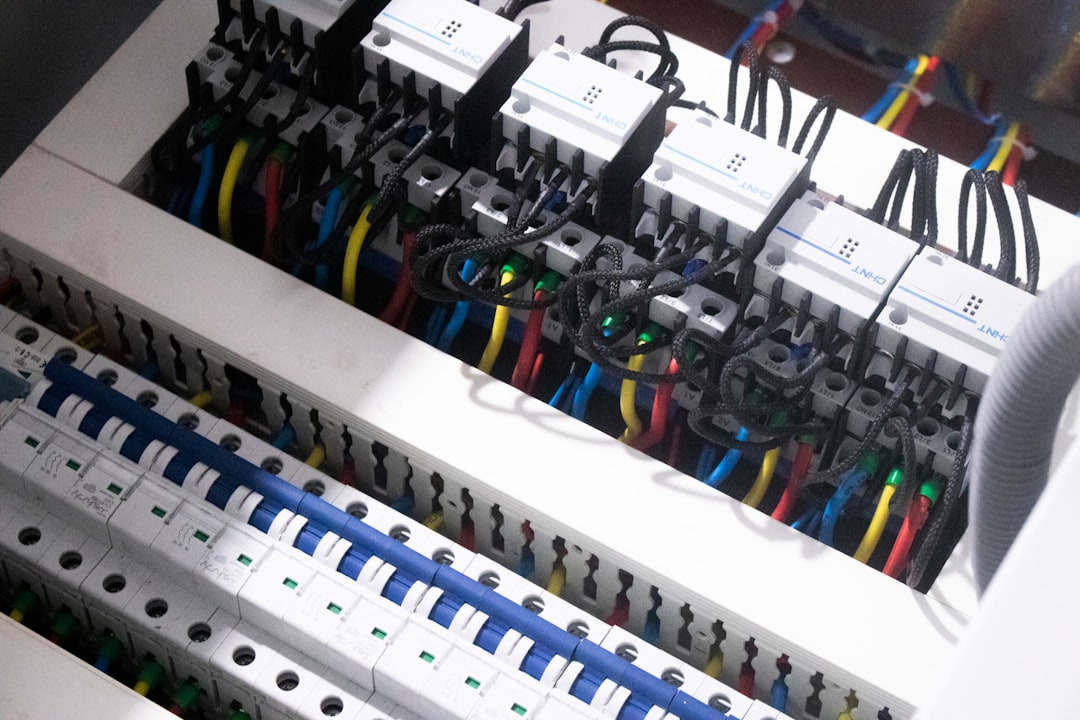
Your Home’s Electrical Backbone: Essential Panel Upgrades for 2026 and Beyond
As Dmitrii, Master Electrician and Field Project Lead at KiloWire Electric (CSLB #1110475), I can tell you directly: if your Southern California home still relies on an older 100A electrical panel—especially dangerous Federal Pacific Stab-Lok or Zinsco models—an upgrade to 200A or 400A isn’t just an improvement; it’s a critical safety and functionality imperative. A typical 100A to 200A panel upgrade in Los Angeles in 2026 ranges from ‘$2,900 to $5,100’ installed and permitted, with complex upgrades or 400A services potentially reaching ‘$5,100 to $11,400’ or higher. The process generally takes 1-2 weeks for permitting and installation, ensuring your home meets the stringent new 2026 California Electrical Code (CEC) requirements, including mandatory whole-home surge protection and outdoor emergency disconnects. You could also qualify for up to ‘$4,200 in rebates’ for panel upgrades when installing an EV charger through programs like SCE’s Charge Ready Home, significantly offsetting costs.
Why Your Older Electrical Panel is a Liability, Not Just an Inconvenience
Many Southern California homes, particularly those built before 1980, still operate with electrical panels that are fundamentally unsafe and incapable of meeting today’s power demands. Panels from manufacturers like Federal Pacific Electric (FPE) and Zinsco (also known as GTE-Sylvania or Sylvania-Zinsco) are notorious for critical design flaws. Federal Pacific Stab-Lok breakers, for instance, have been linked to thousands of house fires annually due to their documented failure to trip under overcurrent conditions. Similarly, Zinsco panels frequently suffer from breakers melting onto bus bars, creating severe fire and shock hazards, and often rendering homes uninsurable by many California carriers. California’s Senate Bill 382, effective January 1, 2026, even mandates sellers to disclose substandard electrical systems, highlighting the seriousness of these hazards.
Beyond safety, your older 100A panel simply lacks the capacity for modern living. The surge in electric vehicles (EVs), solar installations, battery storage, high-efficiency heat pump HVAC systems, and smart home technologies all demand significantly more power than these legacy panels can safely provide. Continuing to operate with an inadequate panel risks frequent breaker trips, appliance damage, and serious electrical fires. This isn’t just about convenience; it’s about protecting your property and family. A panel upgrade is the foundational step for any comprehensive home electrification strategy, including EV charger installation, solar, and battery storage.
Navigating the Latest Southern California Electrical Codes (2025/2026)
Staying compliant with California’s ever-evolving electrical and building codes is paramount for safety and property value. As of January 1, 2026, the 2025 California Electrical Code (CEC), based on the 2023 National Electrical Code (NEC) with California-specific amendments, is in full effect. This brings several critical changes for Los Angeles homeowners considering a panel upgrade:
- Mandatory Surge Protection: All new and replacement electrical panels for dwelling units now require a Type 1 or Type 2 surge protective device (SPD) installed at the service entrance. Budget an additional ‘$250-$600’ for this essential safety device and its installation.
- Outdoor Emergency Disconnect: For single and two-family dwellings, an emergency disconnect must be provided in a readily accessible outdoor location when service equipment is replaced.
- Expanded AFCI/GFCI Protection: The 2026 CEC significantly expands arc-fault circuit interrupter (AFCI) requirements to nearly all 120-volt, 15- and 20-amp branch circuits, including kitchen countertop receptacles, small appliance circuits, and laundry rooms. Ground-fault circuit interrupter (GFCI) coverage is also expanded. AFCI breakers typically cost ‘$35-$60 each’.
- EV-Ready Infrastructure: California’s push for electrification continues with updated EV-ready requirements under Title 24 Part 6 (Energy Code) and CalGreen (Title 24 Part 11). New construction, major additions, and parking facility alterations must now accommodate future EV charging, demanding careful consideration of your panel’s capacity during upgrades.
Here in Los Angeles, every panel upgrade requires a permit from the Los Angeles Department of Building and Safety (LADBS). Our team at KiloWire handles all aspects of this, from detailed electrical plans and load calculations to coordinating ‘Counter Plan Check’ appointments and final inspections. We also navigate the specific 2025 Edition LADWP Electric Service Requirements Manual or Southern California Edison (SCE) grid regulations, which are seeing significant investments in reliability and increased demand due to electrification. SCE customers, in particular, face a ‘12.9% rate increase in 2026’, making efficiency and smart energy management more crucial than ever.
Modern Solutions for Smart Energy and EV Integration
Upgrading your panel unlocks a new era of home energy management, crucial for a high-demand future. Smart panels like the SPAN Smart Panel offer circuit-level monitoring and control, allowing you to optimize energy use, integrate solar, and manage EV charging dynamically. For EV charging specifically, consider advanced solutions like the DCC-12 by RVE/Thermolec or NeoCharge Smart Splitter, which utilize EV Energy Management Systems (EVEMS) to enable you to share existing circuits safely without a full panel upgrade, a great alternative at ‘$1,500-$2,200’.
With the expiration of federal tax credits for residential solar and battery storage (Section 25D, December 31, 2025) and EV charging equipment (Section 30C, June 30, 2026), state and utility programs are now your primary source of incentives. California’s Self-Generation Incentive Program (SGIP) still offers substantial rebates for qualifying low-income or vulnerable households, providing up to ‘$1,100 per kWh’ for battery storage (e.g., Tesla Powerwall 3, Enphase IQBattery 5P) and ‘$3,100 per kW’ for solar installations until 2028.
Electrical Panel Upgrade Comparison (2026 Southern California)
| Solution | Capacity / Code Compliance | Avg Cost (Installed & Permitted) | Timeline |
|---|---|---|---|
| 100A to 200A Upgrade | Meets 2026 CEC/NEC, Surge Protection, Outdoor Disconnect, AFCI/GFCI expansion, EV-ready. | ’$2,900 - $5,100’ | 1-3 weeks |
| 200A to 400A Upgrade | High capacity for multiple EVs, large solar/battery, all 2026 codes. | ’$5,100 - $11,400+‘ | 2-4 weeks |
| EVEMS Alternative | DCC-12, NeoCharge Smart Splitter for Level 2 EV charging. | ’$1,500 - $2,200’ | 1-3 days |
Note: Costs are estimates for Los Angeles County in 2026 and depend on existing infrastructure and complexity. A ‘$99 diagnostic assessment’ by KiloWire provides a precise quote.
The KiloWire Advantage: Your Partner in Power
At KiloWire Electric, Skill See Services Inc. DBA KiloWire Electric, we don’t just upgrade panels; we engineer peace of mind. As a licensed contractor (CSLB #1110475) with a deep understanding of Southern California’s unique electrical landscape, including LADBS ordinances, SCE, and LADWP interconnection requirements, we ensure your project is compliant, efficient, and future-proof. Our expertise is grounded in real-world inspections, plan checks, and utility coordination, serving Los Angeles County from 6018 Washington Ave, Whittier, CA 90601.
From navigating the intricacies of the 2026 CEC to securing available rebates, we handle every detail. Contact us today for a comprehensive ‘$99 diagnostic assessment’ to determine the best path for your home’s electrical future. /contact Learn more about our specialized panel upgrade services at /services/electrical/panel-upgrade.
Further Reading: [CSLB](https://www.cslb.ca.gov), [LADBS](https://www.ladbs.org)
FAQ Section
Q1: Is a panel upgrade mandatory if I have an old Federal Pacific or Zinsco panel?
A1: While no official recall was issued by the CPSC for Federal Pacific or Zinsco panels, licensed electricians, home inspectors, and many insurance companies consider them significant fire hazards due to documented defects. Replacement is strongly recommended for safety and to maintain insurability.
Q2: How do the 2026 California Electrical Code changes impact my panel upgrade?
A2: The 2026 CEC (based on NEC 2023, effective Jan 1, 2026) mandates whole-home surge protection and an outdoor emergency disconnect for new or replacement panels. It also expands AFCI/GFCI requirements and includes updated EV-ready infrastructure considerations, all of which KiloWire integrates into your upgrade.
Q3: Are there still rebates available for electrical panel upgrades in Southern California?
A3: Federal tax credits for panel upgrades tied to solar, battery, or EV chargers have largely expired. However, programs like SCE’s Charge Ready Home offer up to ‘$4,200 in rebates’ for panel upgrades associated with EV charger installation for eligible customers. California’s SGIP program also offers significant rebates for solar and battery storage installations for low-income and vulnerable households until 2028.
Q4: How long does a typical electrical panel upgrade take from start to finish?
A4: The entire process, from initial assessment to final inspection and utility reconnection, typically takes 1 to 4 weeks. This includes the time for securing necessary permits from LADBS (which can take 1-2 weeks for ‘Counter Plan Check’ permits) and coordinating with your utility (SCE or LADWP) for service connection. Actual installation usually takes 1-3 days once permits are in hand.