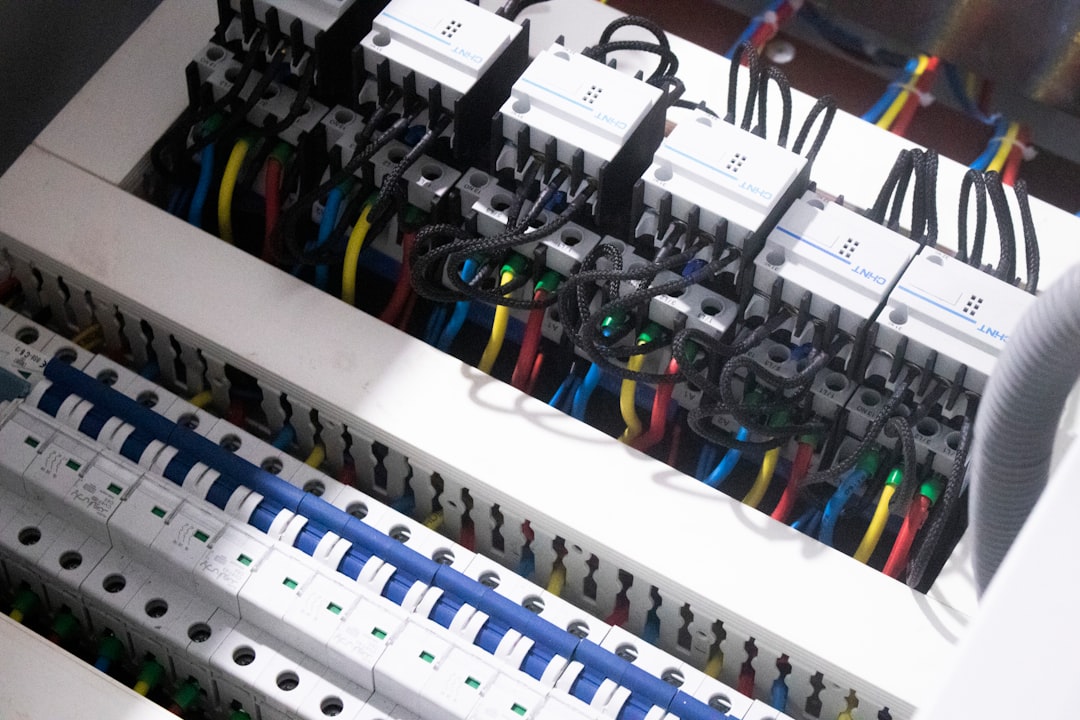
Is your Southern California home struggling to keep up with today’s power demands? Do your lights flicker when the AC kicks on, or are you constantly resetting breakers? If your home was built before 1990, chances are your electrical panel is outdated, undersized, or even a serious safety hazard. As a licensed C-10 electrical contractor and expert electrical engineer, I can tell you that an electrical panel upgrade isn’t just about convenience; it’s a critical investment in your property’s safety, efficiency, and future value.
Why Your Southern California Home Needs a Modern Electrical Panel Upgrade Now
Many homes across Los Angeles and Southern California still rely on 100-amp electrical panels, designed for a time when microwaves were cutting-edge technology, not every home had multiple flat-screen TVs, computers, and electric vehicles. Today’s lifestyle demands significantly more power, and an aging panel simply can’t cope. Beyond inconvenience, this creates tangible risks.
Safety First: Replacing Hazardous Panels
Certain older panel brands, such as Federal Pacific Electric (FPE) Stab-Lok and Zinsco (also known as GTE Sylvania), are notorious for severe safety defects. FPE Stab-Lok breakers, for instance, have a documented failure rate of up to 25%, meaning they may not trip during an overload or short circuit, leading to overheating and potential fires. Similarly, Zinsco panels are known for breakers melting onto bus bars, preventing proper shutdown during electrical faults. These panels are so problematic that many insurance companies in Southern California either refuse to cover homes with them or require their replacement before issuing new policies. If your home has one of these, an immediate upgrade is not just recommended, it’s a safety imperative.
Meeting Modern Demands: Powering Today’s Lifestyle
From EV Charger Installation and Smart Home Integration to high-efficiency HVAC systems and gourmet kitchen appliances, modern residences consume substantially more electricity. An undersized panel can lead to frequently tripping breakers, flickering lights, and even burning smells, all signs your system is overloaded and stressed. Upgrading to a 200-amp or 400-amp panel ensures your home has the robust electrical backbone needed to support your current and future electrical needs without compromise.
Navigating Southern California’s Evolving Electrical Landscape: Codes & Innovations
The electrical landscape in Southern California is constantly evolving, with new codes and technologies emerging to enhance safety, efficiency, and sustainability. As a homeowner, it’s crucial to understand how these updates, especially the 2026 National Electrical Code (NEC) and 2025/2026 CALGreen regulations, impact your property.
NEC 2026: Enhanced Safety Standards
While existing electrical systems are generally ‘grandfathered,’ any significant electrical work, including a Panel Upgrade, triggers the requirement to comply with the latest NEC standards. The 2026 NEC, published in 2025, brings important changes:
- Whole-Home Surge Protection: The NEC 2026 reinforces the requirement for whole-home surge protective devices at the service entrance, safeguarding your entire electrical system and sensitive electronics from voltage spikes.
- Expanded GFCI and AFCI Protection: Expect wider requirements for Ground-Fault Circuit Interrupter (GFCI) protection, now mandated within six feet of all indoor sinks (including wet bars and laundry rooms) and for outdoor circuits up to 60 amps. Starting September 1, 2026, many outdoor HVAC units will also require GFCI protection. Arc-Fault Circuit Interrupter (AFCI) protection is expanding to virtually all branch circuits, offering crucial fire prevention.
- Outdoor Service Disconnects: For dwelling units, service disconnects must now be readily accessible outdoors, on or within sight of the dwelling.
CALGreen 2025/2026: Driving EV Readiness
The 2025 CALGreen Code, effective January 1, 2026, significantly impacts electrical infrastructure, especially for Electric Vehicle (EV) charging. New construction, additions, alterations, and panel upgrades are now subject to mandatory ‘EV Ready’ requirements. This means your new or upgraded service panel must provide capacity for a minimum 40-ampere, 208/240-volt dedicated branch circuit and reserved space for an overcurrent protective device, often with raceways installed for future EV chargers.
This is where advanced energy management comes in. Modern smart panels and Automatic Load Management Systems (ALMS) can intelligently distribute power to prevent overloading your home’s main electrical supply, making EV integration seamless and code-compliant. Some 2025 EV charger innovations even include bi-directional charging, allowing your EV battery to power your home (Vehicle-to-Home or V2H), enhancing energy resilience and potentially saving you money.
LADBS & Utility Coordination
In Los Angeles, any electrical panel upgrade requires permits from the Los Angeles Department of Building and Safety (LADBS). For service size increases (e.g., from 100A to 200A), coordination with your utility provider, whether LADWP or Southern California Edison (SCE), is also essential. SCE customers, in particular, should note the projected 12.9% rate increase in 2026 due to grid upgrades and regulatory costs, making energy efficiency and smart load management more important than ever.
Panel Upgrade Options & Considerations
Choosing the right electrical panel upgrade involves several factors. Here’s a quick overview:
| Upgrade Type | Amperage | Typical Use Cases | Key Benefits |
|---|---|---|---|
| Standard Upgrade | 100A-200A | Most residential homes, replacing old/unsafe panels | Enhanced safety, sufficient power for modern appliances |
| Major Upgrade | 200A-400A | Homes with multiple EVs, solar, large HVAC, smart homes | Future-proof capacity, supports all high-demand loads |
| Smart Panel | Varies | Homes with EV, solar, battery storage, automation | Energy monitoring, load balancing, off-peak charging |
Considerations for Your Upgrade:
- Load Calculation: A professional assessment determines your home’s total electrical needs, factoring in existing and future appliances (e.g., EV chargers, heat pumps, ADUs).
- Code Compliance: Your upgrade must meet current California Electrical Code (CEC) and local LADBS requirements, including AFCI/GFCI protection and EV readiness.
- Utility Coordination: Increasing your service amperage requires close work with LADWP or SCE to upgrade your service line.
- Cost Savings: While an initial investment, a safe, efficient panel can reduce insurance premiums and unlock smart energy management, potentially lowering utility bills.
Frequently Asked Questions About Electrical Panel Upgrades
Q: Do I really need a new panel if my old one ‘works’? A: Yes, absolutely. Even if an old panel like a Federal Pacific or Zinsco appears to be functioning, its inherent design flaws mean it may fail catastrophically during an overload, posing significant fire and electrocution risks. Modern code compliance also ensures a higher level of safety that older panels simply cannot provide.
Q: How long does a panel upgrade take? A: The physical installation of a standard 200-amp panel typically takes one day. However, the overall process, including initial assessment, permit application (LADBS typically requires permits), utility coordination (LADWP/SCE), and final inspection, can range from 3 to 10 business days. Planning ahead and working with an experienced contractor like Kilowire ensures a smooth process.
Q: What are the permits and regulations involved in Los Angeles? A: All electrical panel upgrades in Los Angeles require permits from the Los Angeles Department of Building and Safety (LADBS). If your project involves increasing your main service capacity, coordination with LADWP or SCE is also mandatory. Our team handles all necessary permits and utility liaison to ensure full compliance with current codes, including the 2026 NEC and 2025/2026 CALGreen EV-ready requirements.
Q: Can a panel upgrade save me money? A: Yes! While an investment, a modern electrical panel can lead to long-term savings. It prevents costly damage from electrical hazards and may lower your homeowner’s insurance premiums, especially if you’re replacing a dangerous panel. Furthermore, an upgraded panel supports smart energy management systems and EV charging at off-peak rates, directly impacting your utility bills.
Ready to Power Your Future?
Don’t let an outdated electrical panel limit your home’s potential or compromise your family’s safety. As a leading Electrical Panel Upgrade contractor in Southern California, Kilowire is dedicated to providing state-of-the-art, code-compliant solutions for homeowners, landlords, and property managers. We ensure your electrical system is safe, efficient, and ready for whatever the future holds, from smart home tech to multiple EVs.
Book a free assessment with our expert team today to understand your options and receive a personalized plan tailored to your home’s unique needs. Let’s make your home’s electrical system as modern as your life.