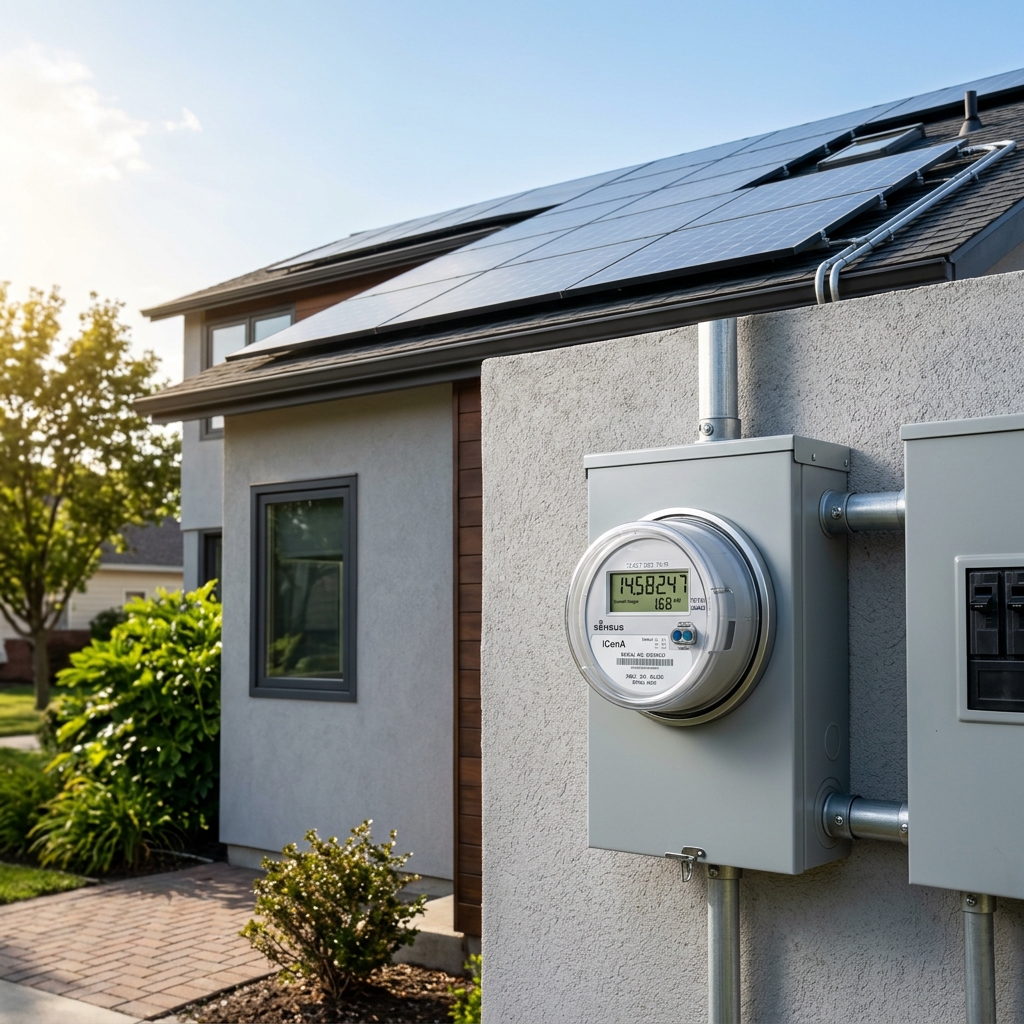
Is your Southern California home experiencing mysterious flickering lights, outlets that suddenly stop working, or circuit breakers that trip far too often? These aren’t just minor annoyances; they’re critical warnings from your home’s electrical system that demand immediate, expert attention. Ignoring these signs can lead to dangerous hazards, costly repairs, and even fire risks. As your trusted, licensed C-10 electrical contractor at Kilowire, we understand the unique challenges Southern California homeowners face, from aging infrastructure to the demands of modern smart homes and EV charging.
The Hidden Dangers in Your Home’s Electrical System
Many common electrical issues are symptoms of underlying problems that can compromise your home’s safety and efficiency. Frequent circuit breaker trips, for instance, often indicate overloaded circuits, short circuits, or ground faults. Similarly, flickering or dimming lights can signal loose connections, faulty wiring, or a voltage fluctuation that your system isn’t designed to handle. Beyond the obvious, signs like burning smells from outlets or panels, buzzing sounds from switches, or outlets that are warm to the touch point to severe issues like faulty wiring or overloaded circuits that could lead to electrical fires.
These problems are particularly prevalent in Southern California homes, where many properties feature older wiring systems not designed for today’s electrical demands. The increasing number of high-wattage appliances, home offices, and smart devices puts a significant strain on outdated electrical panels. Proactive identification and resolution of these issues are crucial for preventing more severe outcomes, including electrical shocks and fires.
Navigating Southern California’s Evolving Electrical Landscape: Code & Innovation
Southern California’s electrical safety landscape is continuously evolving, driven by the latest National Electrical Code (NEC) updates and state-specific regulations like CalGreen. The 2025 California Electrical Code (CEC), based on the 2023 NEC, became effective on January 1, 2026, bringing significant changes to ensure safer and more sustainable electrical systems. Looking ahead, the national 2026 NEC introduces expanded requirements for Ground-Fault Circuit Interrupter (GFCI) and Arc-Fault Circuit Interrupter (AFCI) protection, now covering more non-dwelling spaces, HVAC equipment, and EV charging infrastructure. Notably, outdoor HVAC units serving residential spaces will require GFCI protection starting September 1, 2026.
CalGreen 2025, also effective January 1, 2026, emphasizes ‘all-electric readiness’ for new construction and major remodels, requiring comprehensive electrical load calculations and verification of service capacity. This includes dedicated 208/240-volt, 40-ampere minimum branch circuits and raceways for EV charging in new one- and two-family dwellings. These codes reflect a broader push towards electrification in California, encouraging homeowners to switch from gas to electric for heating, cooking, and water heating, which can offer health benefits and more stable energy costs.
Utilities like Southern California Edison (SCE) are also adapting. As of November 2025, SCE restructured electricity bills with a Base Services Charge and a 10% decrease in kWh costs, aiming to make electrification more affordable. SCE is even exploring Vehicle-to-Home (V2H) technology through programs like ORCHARD, which could allow homeowners to use their EV’s battery to power their home during peak hours, potentially saving hundreds annually.
Staying compliant with these evolving codes isn’t just about avoiding penalties; it’s about ensuring your home is equipped for the future and, most importantly, safe.
Smart Solutions for a Safer, More Efficient Home
The good news is that technological advancements are providing powerful new tools for home electrical safety and energy management. ‘Smart electrical panels’ and ‘smart circuit breakers’ are at the forefront of this revolution. These intelligent systems offer real-time monitoring of your home’s energy consumption, tracking current draw, voltage levels, and even power factor.
Imagine receiving an instant alert on your smartphone if a circuit is drawing too much power, potentially preventing an overload or short circuit before it becomes a hazard. Smart panels can even enable remote control, allowing you to turn off specific circuits from anywhere, offering unparalleled convenience and peace of mind. Automated Load Management Systems (ALMS), often integrated with smart panels, dynamically allocate power to prevent overloads and optimize energy usage, which is particularly beneficial for managing the demands of EV charging without requiring a full panel upgrade.
Beyond smart panels, ‘whole-home surge protectors’ are becoming a modern necessity, safeguarding your sensitive electronics from power surges caused by lightning, utility issues, or internal electrical events. These innovations not only enhance safety but also contribute to significant energy savings by identifying energy-wasting appliances and optimizing power distribution.
Common Electrical Problems & When to Call a Pro
| Problem | Signs to Look For | When to Call Kilowire |
|---|---|---|
| Flickering Lights | Lights dim or flicker inconsistently, especially with appliance use. | Persistent flickering after tightening bulbs, dimming with high-wattage appliances, or buzzing sounds. |
| Tripping Breakers | Circuit breaker frequently trips, cutting power to a section of your home. | Frequent trips despite redistributing appliances, or if the breaker feels warm. |
| Burning Smell/Sparks | Unfamiliar burning odor, especially near outlets or panel; visible sparks. | Immediately turn off power and call a professional. This is a severe fire hazard. |
| Dead Outlets | Outlet doesn’t work after resetting the breaker or replacing a fuse. | If resetting the breaker doesn’t restore power, or if the outlet is warm. |
| Buzzing/Humming | Unusual buzzing or humming from outlets, switches, or the electrical panel. | Any consistent buzzing from electrical components. |
| Warm Outlets/Switches | Outlet or switch plates feel warm to the touch. | If warmth is noticeable, especially without heavy load, or if it’s accompanied by smell. |
Frequently Asked Questions (FAQs)
Q1: How often should I have my home’s electrical system inspected? We recommend a professional electrical safety inspection at least every 3-5 years, and immediately if you’re experiencing persistent issues like flickering lights or tripping breakers, or if you’re buying an older home. Annual safety inspections are one of the top upgrades recommended by experts.
Q2: Can smart home devices actually improve electrical safety? Absolutely. Modern smart circuit breakers and energy monitors provide real-time data, allowing you to identify overloaded circuits, detect anomalies, and even remotely control power. This proactive monitoring can prevent potential hazards before they escalate.
Q3: What are the new requirements for EV charging in Southern California homes? The 2025 CalGreen Code, effective January 1, 2026, mandates that new one- and two-family homes with attached garages include a dedicated 208/240-volt, 40-ampere minimum branch circuit and raceway, labeled ‘EV READY’, to facilitate future EV charger installation. Hardwired EVSE installations also now require GFCI protection under the 2026 NEC guidelines.
Q4: Will upgrading my electrical panel really save me money on my utility bills? Yes, a modern electrical panel, especially a smart panel, can significantly improve energy efficiency. It allows for better load management, reduces energy waste, and helps you identify high-consumption appliances. Combined with SCE’s restructured billing from November 2025, which lowered kWh costs, and potential V2H programs, you can gain better control over your energy expenses.
Your home’s electrical system is its lifeline. Don’t wait for a minor inconvenience to become a major crisis. If you’re experiencing any electrical issues, from flickering lights to constantly tripping breakers, or if you’re looking to modernize your home’s electrical capacity and safety, Kilowire is here to help. As licensed C-10 contractors and electrical engineers, we’re deeply knowledgeable about the latest NEC and California code requirements, ensuring your home is safe, compliant, and ready for the future.
Ready to ensure your home’s electrical safety and efficiency?
Book a Service Call Today or Contact Us for a Free Assessment.